Product Overview
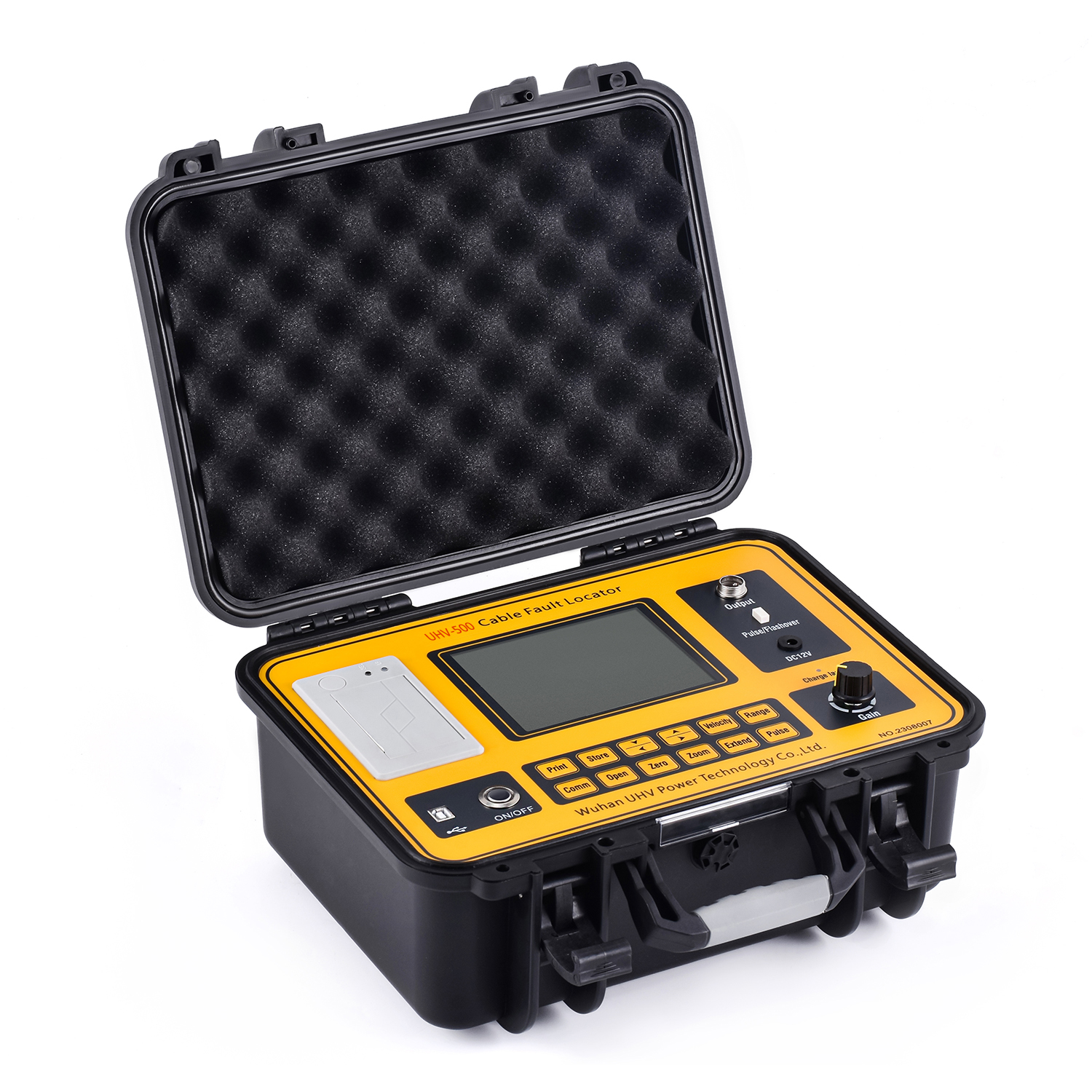
Wuhan UHV Power Technology Co.,Ltd., is a professional manufacturer and supplier of high-voltage power testing equipment in China.The reliable operation of communication and power transmission systems depends entirely on the integrity of cable circuits. Once a circuit failure occurs, failure to conduct timely and accurate fault diagnosis and repair will inevitably lead to significant economic losses and adverse social impacts. Therefore, electric fault measuring and testing instruments play a vital role in maintaining system stability.
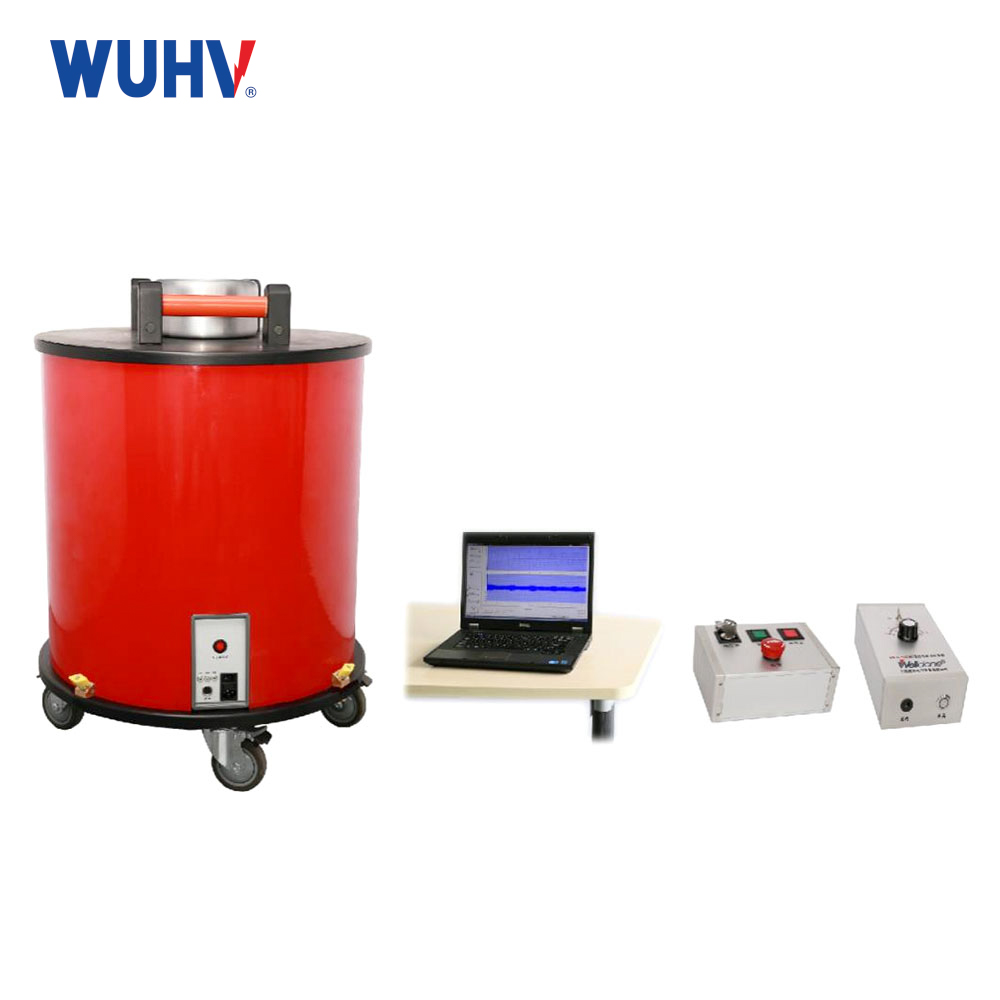
The Intelligent Cable Fault Tester employs multiple testing methodologies, integrates the most advanced electronic components, and utilizes cutting-edge computer and specialized electronic technologies. Building upon our company's extensive experience in the research and development of cable fault testing instruments, this device represents a highly technological, intelligent, and feature-rich solution.
As a fully integrated testing system, our cable fault detector is capable of identifying a wide range of faults, including:
High-resistance flashover faults
High- and low-resistance grounding faults
Short circuits, open circuits, and poor contact
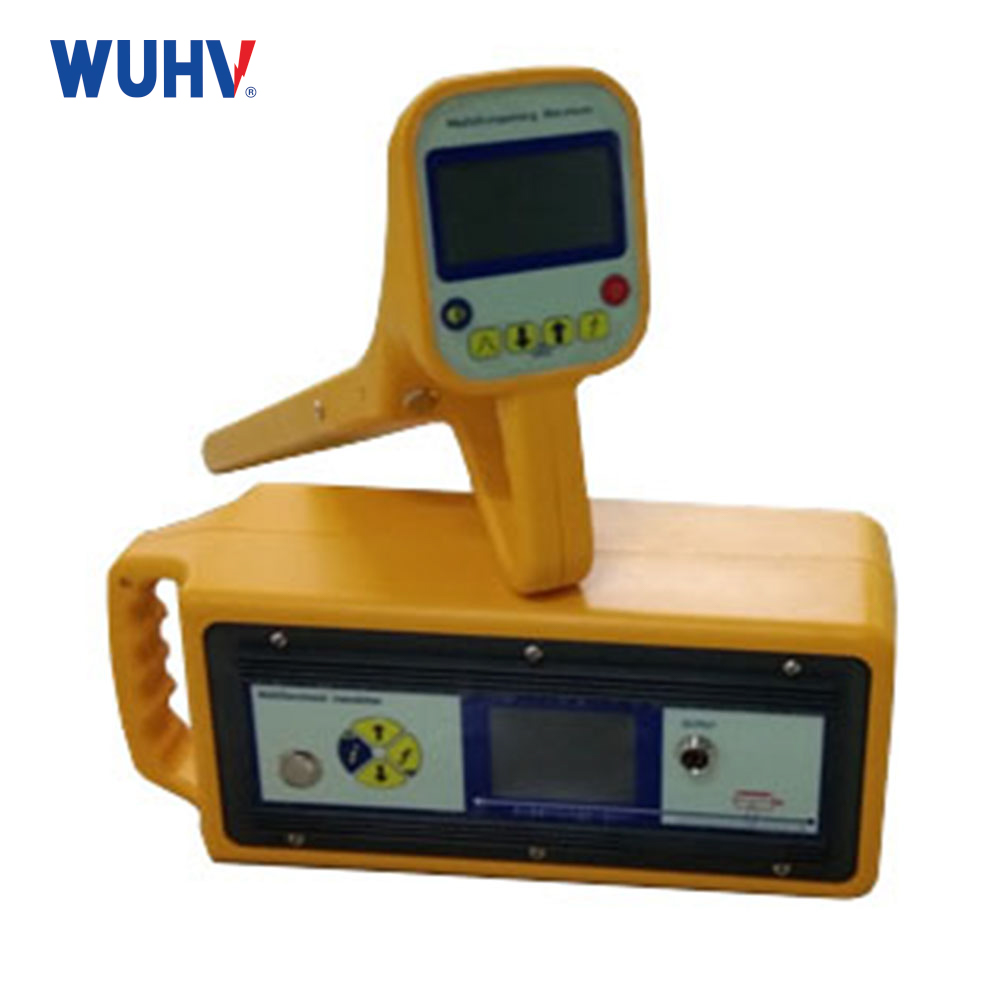
When used in conjunction with acoustic or electromagnetic locating instruments, it can accurately pinpoint the exact fault location. This instrument is especially suitable for testing various types of power cables and communication cables.
Product Characteristics
Parâmetros técnicos
| The longest testing distance | 15km (100km for the open-wire line) |
| Testing .dead zone | 1 metro |
| Resolution of reading | 1 metro |
| Power dissipation | 5VA |
| Temperatura ambiente | 0℃~+40℃ |
| terminal temperature | -10℃~+50℃ |
| relative humility | 20-90%RH |
| Dimensão | 275×220×160mm3 |
| Weigh | 1.8kg |
Pathfinders
| modo de operação | Saída - sinal de onda quadrada intermitente de frequência fixa |
| Potência de saída | Pomáx≥100W |
| Impedância de saída | 1Ω-∞ |
| Frequência do sinal de saída | 16kHz |
| Amplitude do sinal de saída | 15V-340V |
| Fonte de alimentação do transmissor Pathfinder | AC220V±10℅ |
Fault locator
| Erro de medição aproximado | Menos do que 10% |
| Erro de ponto fixo | <±10cm |
| Ganho do canal eletromagnético | >110dB (300.000 vezes) |
| Sensibilidade do receptor de canal eletromagnético | <5μV |
| Ganho do amplificador de áudio do canal de som | <120dB (1 million times when the signal-to-noise ratio is 4:1) |
| Rejeição de frequência de energia de 50 Hz | >40dB (100 vezes) |
| Consumo de energia | <120mA (0.7W) |
| Detecção de profundidade enterrada | ≦3m |
Application Scenarios
The cable fault locator is widely used in scenarios requiring underground or overhead cable inspection and maintenance, including:
Power system distribution networks, substations, and transmission line fault repair:Used for rapid location of cable faults such as short circuits, grounding, and open circuits.
Urban underground cable operation and maintenance:Used for locating fault points on buried cables, cable path detection, and depth measurement.
Industrial enterprise power supply systems: Such as steel, petrochemical, mining, and manufacturing plants, to ensure reliability of production power supply.
Rail transit and railway power supply systems: Used for fault detection in traction power supply and power cables.
Communication and weak current engineering: Used for optical cable and cable line maintenance and fault diagnosis.
Cable construction acceptance, preventive testing, and routine inspection: Helps maintenance personnel identify potential hazards in a timely manner, improving fault handling efficiency and power supply system reliability.
 |  |  |
FAQ about Cable Fault Location Detector
What is a cable fault locator, and what problems does it primarily solve?
A cable fault locator is a professional test device used to detect and locate fault positions on cable lines. It operates by transmitting test signals and analyzing fault reflections, changes in electrical parameters, or on-site response characteristics to determine the fault distance and specific location. It helps maintenance personnel quickly identify cable fault types, reduce the scope of manual troubleshooting, and improve fault handling efficiency. It is especially suitable for fault detection in underground cables, long-distance transmission lines, and complex power supply environments.
What factors affect the fault location accuracy of the cable fault locator?
The accuracy of cable fault location is generally affected by factors such as cable structure, laying method, fault type, fault impedance, test environment, and operating procedures. Cable length, the number of splices, and line branches may also influence the detection results. Therefore, in practical applications, multiple testing methods are usually combined to improve positioning accuracy.
What key parameters should be considered when selecting a cable fault locator?
When selecting a device, factors such as maximum test distance, supported fault types, applicable cable voltage levels, positioning accuracy, testing methods, and on-site operating conditions should typically be considered. At the same time, practical application requirements such as cable length, line structure, operating environment, and future testing scope should also be taken into account to ensure that the equipment can meet long-term maintenance and expanded usage needs.
What is the basic working principle of a cable fault locator?
The cable fault locator applies high-voltage pulses or oscillatory waves to the faulty cable and analyzes the time difference, waveform distortion, and energy attenuation of the reflected signals to accurately calculate the distance to the fault point. Common methods include the low-voltage pulse reflection method, arc reflection method, surge high-voltage flashover method, and step voltage method, which are applicable to different fault types such as open circuits, short circuits, low-resistance faults, high-resistance faults, and flashover faults.