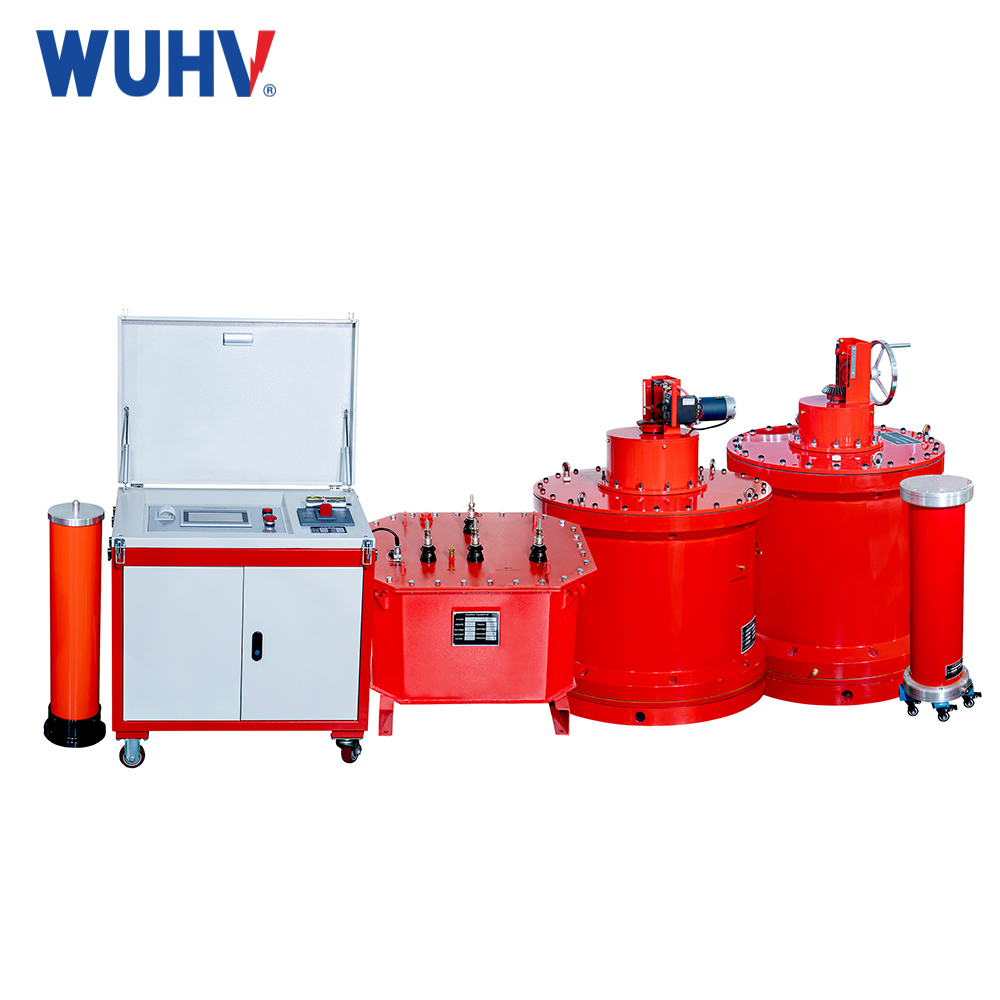
In all aspects of safe operation of the power system, grounding resistance plays a crucial role. It is like building a solid 'firewall' for electrical equipment, which can promptly introduce dangerous currents into the ground in case of a malfunction, protecting the safety of personnel and equipment. And the soil grounding resistance tester is our powerful assistant for measuring the strength of this' firewall '.
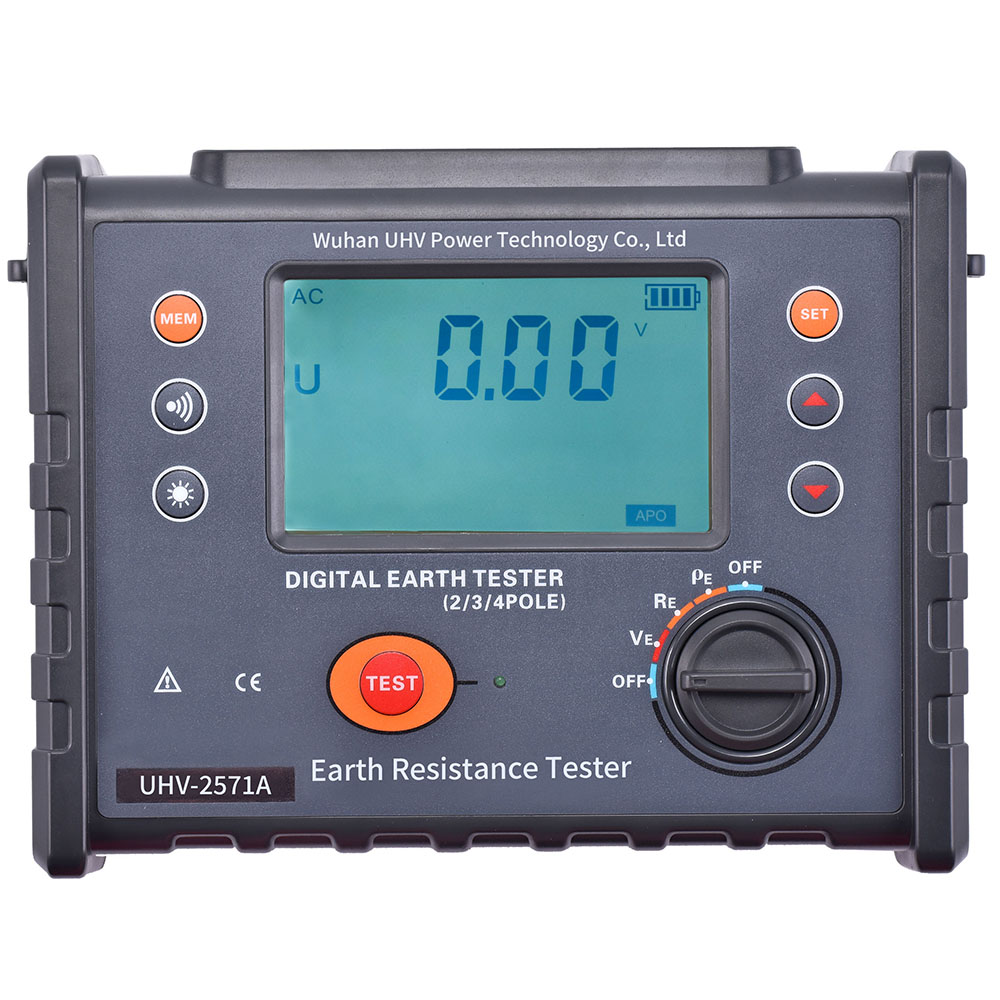
What is soil grounding resistance?
Simply put, soil grounding resistance refers to the total resistance encountered by current flowing from a grounding device (such as a grounding electrode) into the earth, and then spreading to an infinite (or out of measurement range) soil. The smaller this value, the better the conductivity of the soil and the more ideal the grounding effect.
What are the "behind the scenes" factors that affect grounding resistance?
The properties of soil are not constant, and many factors quietly affect the magnitude of grounding resistance:
The resistivity of the soil itself is the most direct factor. Soil with high moisture content and high salt content has low electrical resistivity, while the opposite is true.
The structure and size of the grounding body: The burial depth, length, diameter, etc. of the grounding body will affect the diffusion of current underground.
Soil moisture and temperature: During the rainy season or summer, when the soil moisture is high and the temperature is high, the electrical resistivity will decrease; On the contrary, it will increase during the dry season and winter.
The shape and quantity of grounding bodies: Different shapes and combinations of grounding bodies can also affect the distribution of current.
Mastering the "Measuring Tool": Soil Grounding Resistance Tester
There are various soil grounding resistance testers on the market, which accurately measure grounding resistance through different principles.
Insertion measurement: This is the most common method, which uses a tester to emit current, measures the potential difference between the grounding body and the ground, and calculates the grounding resistance.
Clamp type measurement: Some advanced testers do not require disconnecting the grounding wire. Simply clamp the current clamp onto the grounding wire to measure the grounding resistance, greatly simplifying the operation.
These instruments usually have the characteristics of high precision, easy operation, and intuitive readings, which can help us quickly and accurately evaluate the performance of grounding systems. Wuhan UHV Power Technology Co., Ltd. has a profound technical accumulation in this field, and its products enjoy a good reputation in the industry.
The correlation between grounding resistance testing and other technologieé
The testing of grounding resistance is not isolated. It is closely related to the overall design of the substation grounding network, the effectiveness of lightning protection systems, and the implementation of electrical safety regulations. A good grounding system is the cornerstone for ensuring the stable operation of the entire power system.
How to take the grounding effect to the next level?
To achieve lower grounding resistance, you can start from the following aspects:
Optimize grounding body design: Select appropriate grounding body materials, sizes, and burial methods, such as increasing the number of grounding bodies, using mesh grounding bodies, etc.
Improving soil conductivity: By adding resistance reducing agents such as bentonite, graphite, etc., the electrical resistivity of the soil can be reduced.
Regular maintenance and testing: Use a soil grounding resistance tester to regularly test the grounding system, promptly identify and address potential hazards. Wuhan UHV Power Technology Co., Ltd. suggests regularly measuring the grounding resistance according to relevant national standards to ensure the reliability of the grounding device.
Frequently Asked Questions (FAQ)
What affects the measurement accuracy of soil grounding resistance tester? Mainly affected by factors such as soil resistivity, burial depth of grounding body, accuracy of the testing instrument itself, and standardization of operators.
Is it better to have a smaller grounding resistance? In theory, it is possible, but a reasonable range should also be determined based on specific application scenarios and national standards. A too small grounding resistance may also mean unnecessary investment.
Under what circumstances is a grounding resistance test required? Grounding resistance testing is required for newly constructed or renovated electrical engineering, regular maintenance of substations, before thunderstorm seasons, and after electrical accidents.
Can I directly measure the grounding resistance with a multimeter? Ordinary multimeters do not have the function of measuring grounding resistance specifically, and the accuracy of their measurement results cannot be guaranteed. Therefore, a dedicated soil grounding resistance tester is usually required.
How to improve the conductivity of soil? This can be achieved by increasing the soil moisture content, applying conductive fillers (such as charcoal particles, graphite, etc.), or using professional drag reducers.