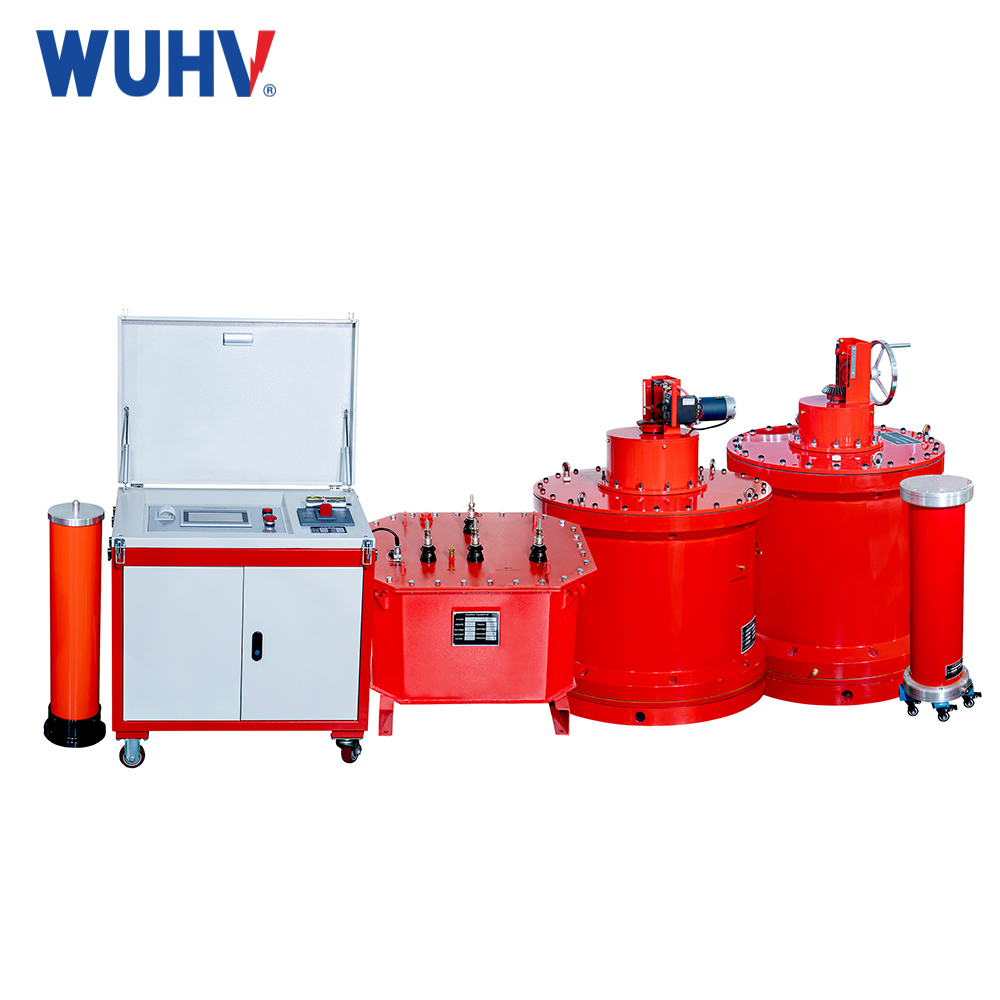
Partial discharge (PD) is an undeniable "invisible killer" in the safe operation of power equipment. It is like a tiny "spark" inside the device, accumulated over time, which can lead to a decrease in insulation performance or even cause equipment damage or safety accidents. In order to timely detect and solve these potential threats, partial discharge testers have emerged as a powerful assistant for the "health check" of power equipment.
What is partial discharge?
Simply put, partial discharge refers to the phenomenon where the local electric field strength exceeds the strength of the insulating medium, but the insulation is not completely broken down. It usually occurs at small defects inside the insulation, such as air gaps, impurities, or uneven electric field areas on the insulation surface. These tiny discharge activities generate electrical pulses, sound waves, light, and heat, and partial discharge testers use these "clues" to determine whether the equipment has partial discharge.
What are the factors that affect partial discharge?
The occurrence and development of partial discharge are influenced by various factors, making its detection and analysis more complex
The characteristics of insulation materials: The insulation strength and aging resistance of different materials vary.
Electric field distribution: The more concentrated the electric field is, the more likely partial discharge is to occur.
Environmental factors such as temperature, humidity, and dust can all affect the dielectric properties of insulation.
Equipment operating status: voltage level, load changes, equipment aging degree, etc.
The 'golden eyes' of partial discharge testing equipment
There are many types of partial discharge testers on the market, but their core principle mostly revolves around detecting signals generated by partial discharge. Common detection methods include:
Pulse current method: This is the most common method to measure the discharge amount by detecting the weak electrical pulse signal generated by partial discharge.
Acoustic detection method: Partial discharge generates high-frequency sound waves, which can be captured by acoustic sensors.
Optical detection method: In some cases, partial discharge can produce weak light, which can be detected by optical sensors.
Electromagnetic wave detection method: Partial discharge also releases electromagnetic waves, which can be received through an antenna.
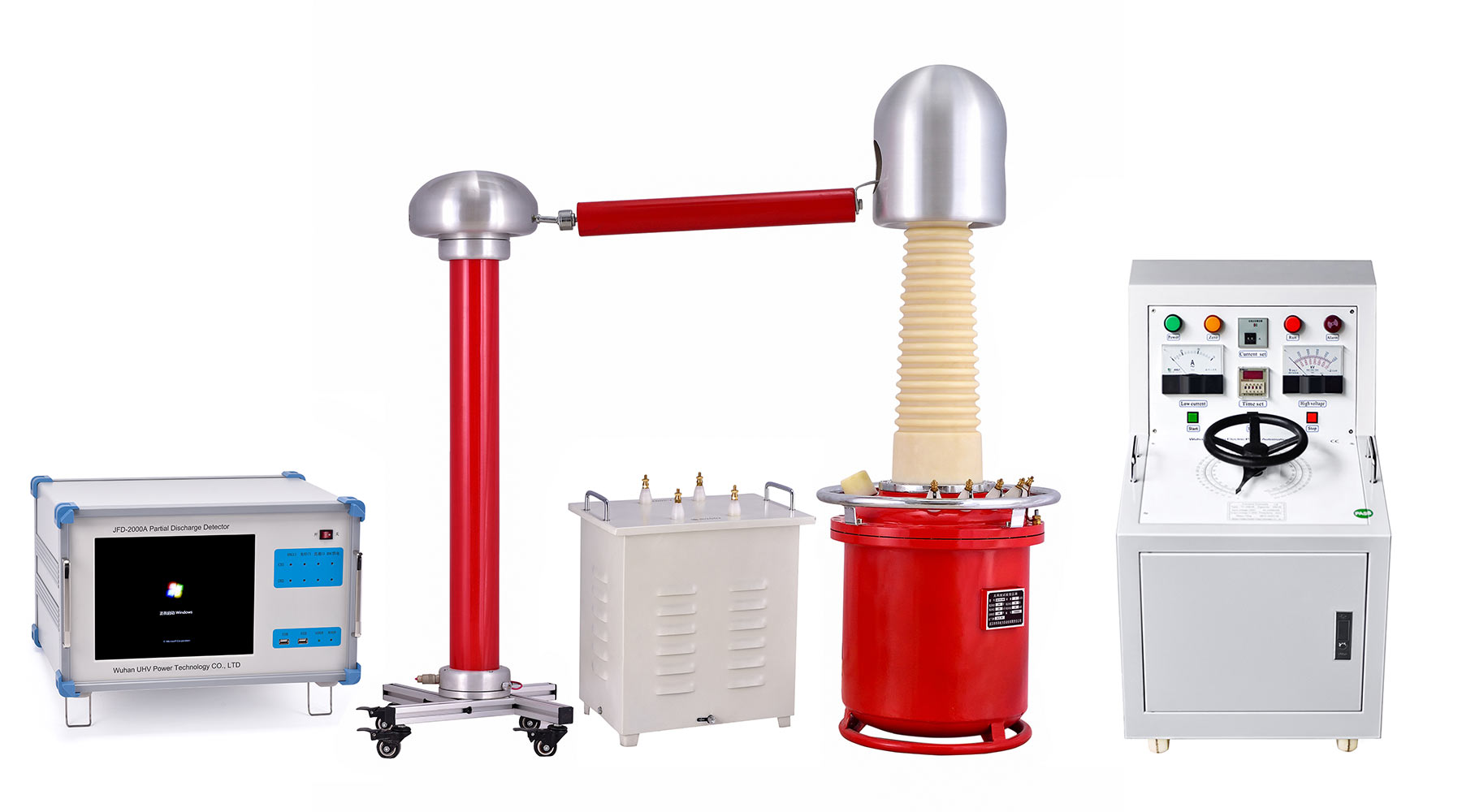
Choosing appropriate partial discharge testing instruments is crucial for more accurate detection of partial discharge. The professional equipment provided by Wuhan UHV Power Technology Co., Ltd. can help you gain a deeper understanding of the "health status" of power equipment.
How to do better partial discharge testing?
Improving the accuracy and effectiveness of partial discharge detection requires comprehensive consideration of:
Standardized operation: Conduct testing strictly in accordance with relevant national or industry standards to ensure comparability of data.
Multi source signal fusion: Combining multiple detection methods, mutual verification, and improving the reliability of judgment.
Experience accumulation and data analysis: Relying on the experience of professional technicians, combined with historical data for in-depth analysis, identify abnormal patterns.
Equipment maintenance and calibration: Regularly maintain and calibrate partial discharge testing equipment to ensure its measurement accuracy.
Wuhan UHV Power Technology Co., Ltd. is committed to providing leading partial discharge detection solutions for the power industry, helping customers improve the safety and reliability of equipment operation.
Q&A on Partial Discharge Testers
What types of electrical equipment is the testador de descarga parcialmainly used to detect?
Partial discharge tester is widely used for insulation status monitoring of various high-voltage power equipment such as high-voltage switchgear, transformers, cables, transformers, generators, etc.
What professional knowledge is required for conducting partial discharge testing?
Basic knowledge of power systems, electrical insulation principles, partial discharge theory, and the ability to operate and analyze partial discharge testing instruments are required.
What specific hazards can partial discharge cause to power equipment?
It will accelerate insulation aging, lead to insulation breakdown, shorten equipment life, and even cause serious accidents such as fires or explosions.
How to arrange the frequency of partial discharge testing?
It is recommended to conduct it before the equipment is put into operation, after major repairs, and regularly during the operation of the equipment based on its importance, operating years, and actual situation.
What other methods can be used to evaluate the insulation condition of power equipment besides partial discharge testers?
Comprehensive evaluation can also be conducted through methods such as dielectric loss testing, DC withstand voltage testing, and insulation resistance testing.