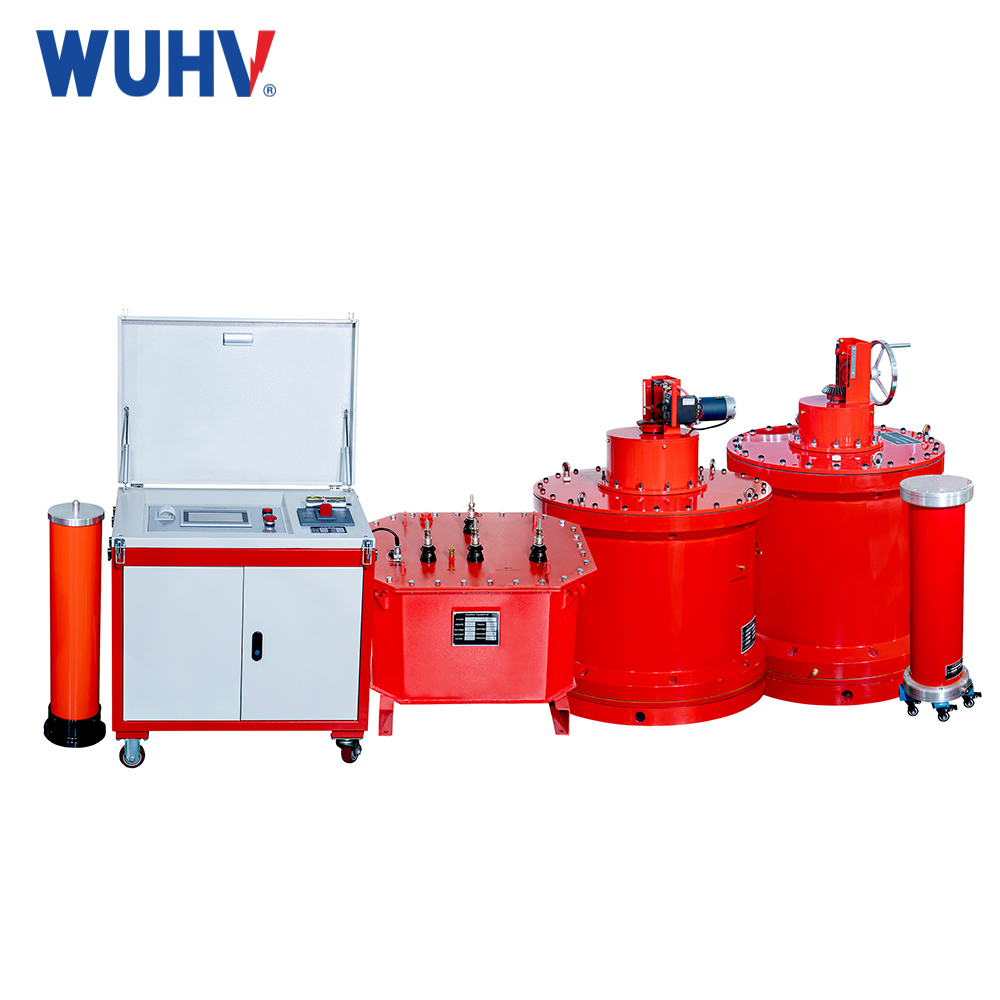
In the operation and maintenance of power equipment, the detection of insulation resistance is a key link to ensure the safe operation of the equipment. Have you ever encountered a situation where the insulation resistance values measured at different times on the same device seem somewhat arbitrary? Don't worry, there may be some "little secrets" hidden behind this that you need to know. Today, let's talk about electronic insulation resistance meters and see how they help us understand these changes.
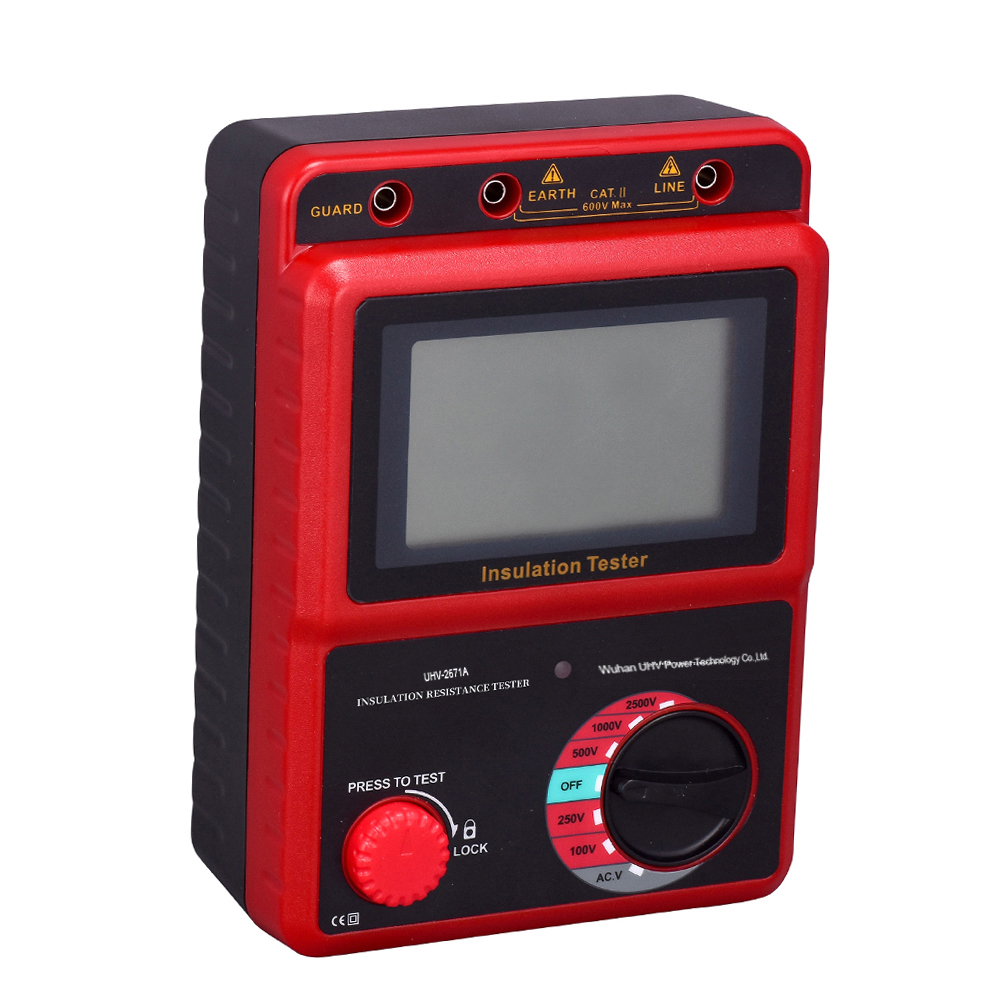
Understand your "assistant": What is an electronic insulation resistance meter?
Simply put, an electronic insulation resistance meter is a precision instrument that uses electrical principles to measure the weak current flowing through an insulator (usually the insulation layer of cables, transformers, and other equipment) by applying a certain DC voltage, in order to calculate the insulation resistance value. It is different from traditional shaking meters, more intelligent and data-driven, and can more accurately reflect the insulation state.
Who are the 'behind the scenes' drivers that affect insulation resistance?
To accurately measure insulation resistance, one must first understand the "factors" that affect it. There are mainly the following points:
Environmental factors:
Humidity: Moisture in the air is the "number one killer" of insulation resistance. A humid environment can cause the surface of insulation materials to adsorb water vapor, forming conductive pathways and leading to a decrease in resistance.
Temperature: As the temperature increases, the molecular motion of the material intensifies, which can affect its conductivity. Generally, an increase in temperature will lower the insulation resistance value.
Dust and dirt: Impurities such as dust and oil on the surface of equipment, especially in humid environments, can easily form conductive layers.
Equipment intrinsic factors:
Aging of insulation materials: After long-term operation, insulation materials will gradually age, crack, and lose their original insulation properties.
Structural defects: Poor internal connections and damaged insulation layers can also directly affect the resistance value of the equipment.
Residual charge: Before measurement, if there is residual charge on the device that has not been fully released, it will also affect the accuracy of the measurement results.
Insight into the Truth of Insulation: Solution from Wuhan UHV Power Technology Co., Ltd
Faced with these complex influencing factors, we need smarter and more reliable tools. The electronic insulation resistance meter under Wuhan UHV Power Technology Co., Ltd. is such a powerful tool that can provide accurate measurement and data analysis. They usually have:
Multiple testing voltages to choose from: Suitable testing voltages can be selected based on the withstand voltage level of different devices to ensure safe and effective measurement.
Automatic recording and analysis: capable of automatically recording measurement data and conducting trend analysis, helping us identify abnormal fluctuations in insulation resistance.
Easy to operate: With a user-friendly interface, even first-time users can quickly get started.
By regularly inspecting equipment and using professional instruments from Wuhan UHV Power Technology Co., Ltd., we can detect potential insulation hazards earlier, effectively preventing equipment failures and ensuring the stable operation of the power system.
How to take insulation resistance measurement to the next level?
To obtain more valuable insulation resistance data, you can try the following methods:
Choose the appropriate time: try to measure under the conditions of equipment shutdown, relatively dry environment, and stable temperature.
Clean the surface of the equipment: Before measurement, carefully clean the dust and oil stains on the surface of the equipment.
Full discharge: Before measurement, it is necessary to ensure that the residual charge on the equipment has been fully discharged.
Multiple measurements and comparisons: The same equipment is measured multiple times and under different working conditions, and compared and analyzed with historical data, making it easier to detect anomalies.
Pay attention to the selection of testing methods: For different equipment and fault types, choosing the appropriate insulation resistance testing method, such as DC withstand voltage test, can provide more comprehensive information.
In the field of power equipment testing, having professional technology and reliable equipment is crucial. Wuhan UHV Power Technology Co., Ltd. has been committed to providing high-performance power metering and testing equipment to help the industry develop safely.
FAQ
Q1: What are the advantages of electronic insulation resistance meters over traditional shaking meters? A1: Electronic insulation resistance meters usually have higher measurement accuracy, are easier to operate, can automatically record and analyze data, and are more suitable for modern power equipment management.
Q2: Is it better to have a higher insulation resistance value? A2: Generally, the higher the insulation resistance value, the better the insulation performance. However, a high insulation resistance value may also mean that the equipment has been out of service for a long time, which requires attention. The key lies in stability and changing trends.
Q3: Why does the insulation resistance decrease when the humidity is high? A3: Humidity can cause a conductive water film to form on the surface of insulation materials, thereby reducing the insulation resistance value.
Q4: Apart from insulation resistance, what other indicators can be used to evaluate the insulation status of equipment? A4: Dielectric loss factor, leakage current, partial discharge, etc. are also important indicators for evaluating the insulation status of equipment, which can reflect the health status of insulation from different dimensions.
Q5: What external factors have the greatest impact on the measurement results of electronic insulation resistance meters? A5: The main factors include environmental temperature, environmental humidity, and the cleanliness of the equipment surface.