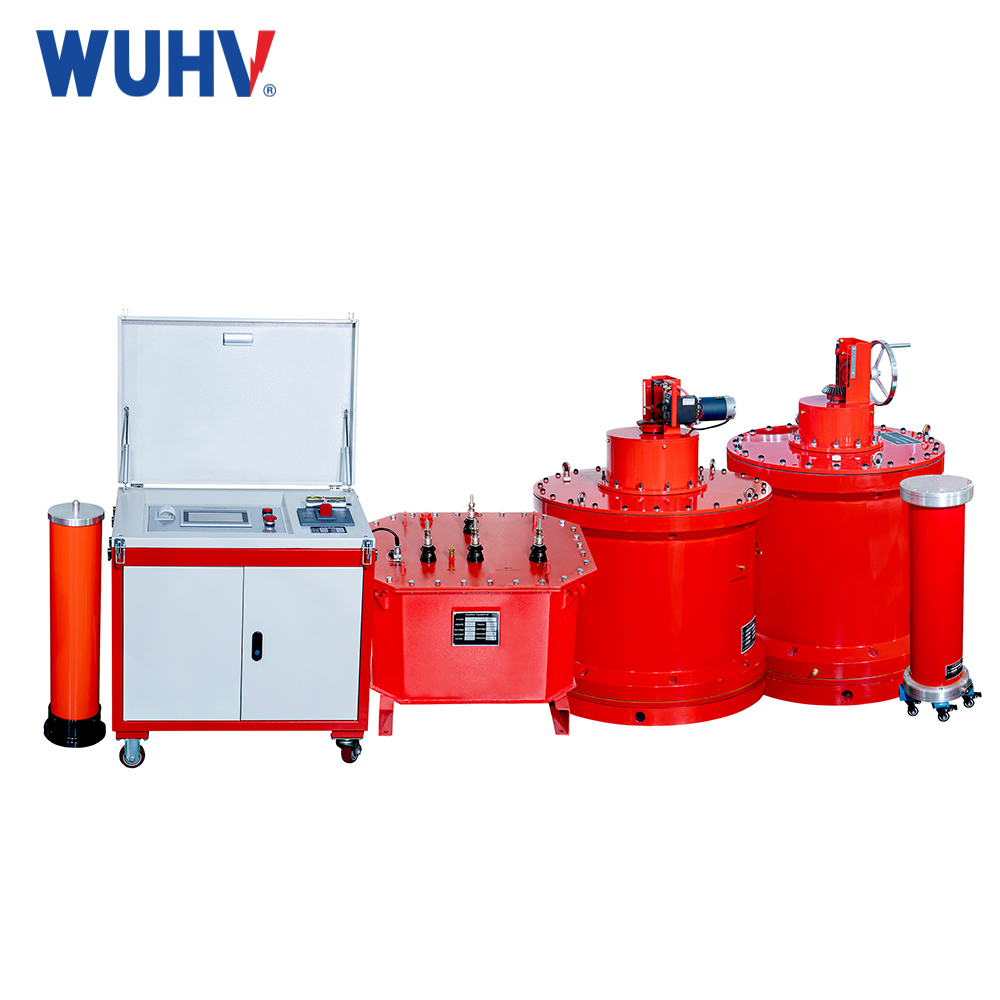
DC motor controller is a special type of electrical equipment that converts electrical energy into mechanical energy. DC motors receive electrical energy by using DC power and then convert this energy into automatic rotation of the motor. DC motors are almost ubiquitous, utilizing the magnetic field generated by the generated current to drive the rotor fixed on the output shaft. The speed and output torque depend on the motor design and electrical input.
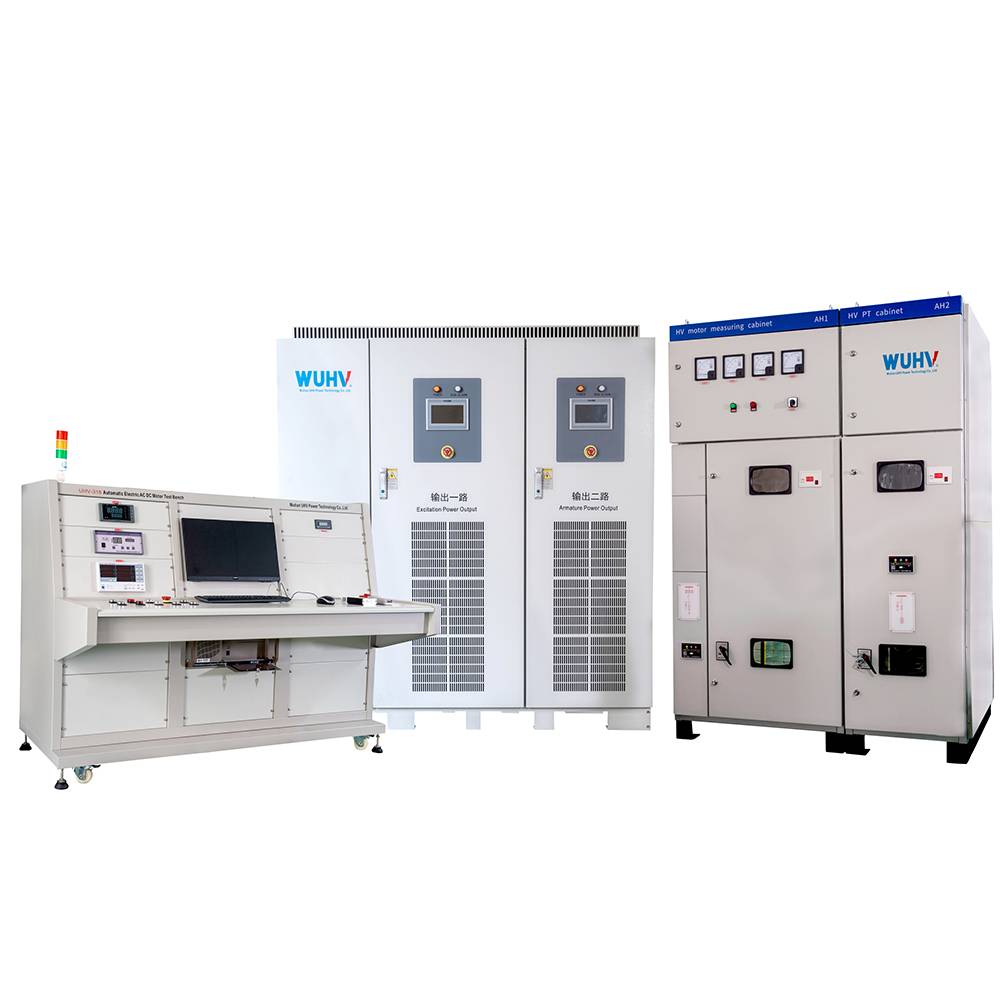
How does the DC motor controller work?
The power and size of DC motors vary, and according to different mechanisms, they can be used for electric hoists and elevators, electric vehicles, and toys. A DC motor consists of two basic parts: the armature and the stator. The stator is the fixed part of the motor, while the armature is the rotating part. In addition to using coils, DC motors also use fixed magnet groups in the stator, and current flows through the circuit of the wires, thereby generating aligned electromagnetic fields. One or more coil windings of insulated wire are wrapped around the iron core of the motor to concentrate the magnetic field. The winding of the insulated wire is connected to a rotary electrical switch (commutator), which continues to apply current to the coil winding. The rotating electrical switch allows each armature coil to be energized, thereby generating torque or stable rotational force. After sequentially opening and closing the coils, a magnetic field will be generated that interacts with different areas of the fixed magnet, thereby generating torque. These basic working principles allow DC motors to convert electrical energy from DC to mechanical energy that can be used to propel equipment, all through rotational motion.
Who invented the DC motor controller?
DC motor is an outstanding electrical device that has completely changed people's lives in many different ways, but who is the inventor of DC motor? Like all other innovations, many people have made a difference by developing other devices. In the United States, Thomas Davenport was the inventor of the first electric motor. In 1837, Davenport was the first person to apply for a patent for a usable motor. However, Davenport was not the first person to manufacture motors in this way, as other European inventors had already developed more powerful motors earlier. The reason why Davenport is praised as the original inventor is because he applied for a patent earlier. In 1834, Jacobi Moritz had already proposed a motor with higher power than Davenport (three times the power). One year later, Sibrandus Stratich and Christopher Becker demonstrated the practical application of motors.
Types of DC motor controllers and DC motor controls
Brushless DC motor
Also known as synchronous DC motor or electronic commutation motor, the main difference between these types of motors is that they lack a commutator, which is replaced by a servo mechanism that can detect and subsequently adjust the rotor angle. Brushless DC motors are durable and safe.
Brushed DC motor
These are the earliest DC motors, dating back to their original design. Although they are still popular in paper machines, cranes, and rolling mills, they have gradually disappeared recently.
Parallel DC motor
This is a brushed motor whose excitation winding is connected in parallel with the armature. Due to the parallel winding, they have lower current, and parallel motors have found many uses in various applications that require constant torque, such as mixers, conveyors, and cranes.
Series connected DC motor
These are the final varieties, and the excitation winding connected in series distinguishes them from parallel motors, which means that the armature current will indeed pass through the excitation winding, resulting in faster speed. Series DC motors are the ideal choice for tasks that require high starting torque.
When it comes to DC motor control, the following are the most commonly used methods:
Direction controller: H-bridge
The H-bridge circuit is one of the simplest methods for controlling a DC motor. In such a motor, four paired control switches can be found, and when either pair is closed, they immediately complete the circuit and then supply power to the motor. The H-bridge can also control the speed.