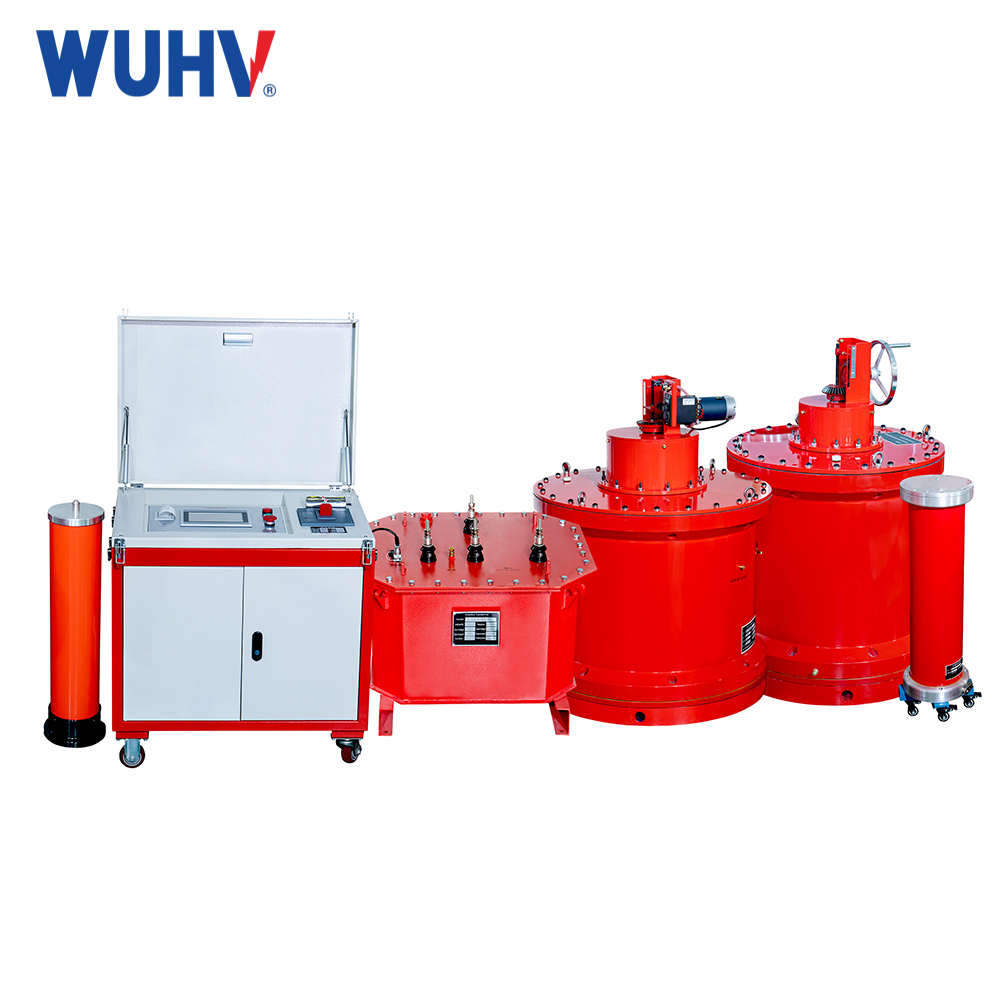
With the continuous expansion of the power system, the types and testing requirements of power equipment are becoming increasingly diverse. In the production, installation, and maintenance process of equipment such as transformers, high-voltage switches, cables, transformers, and generators, the selection of testing equipment directly affects detection efficiency, measurement accuracy, and on-site work quality. Automatic testing equipment and manual testing equipment each have their own characteristics, and how to choose suitable equipment according to actual needs has become a problem that needs to be considered in power testing work.
1、 Understand the difference between automatic testing equipment and manual testing equipment
Automatic testing equipment usually adopts digital control, automatic acquisition, and data processing technologies, which can complete some or all of the testing process according to preset programs. The operator only needs to complete the wiring, parameter setting, and startup operations, and the equipment can automatically measure and generate corresponding test data or reports.
Manual testing equipment requires operators to adjust parameters, control testing steps, and record data according to testing requirements. Some devices require manual switching of testing functions or adjustment of output parameters, which requires a certain level of professional knowledge and on-site experience from operators.
The main differences between the two devices lie in their operation mode, degree of automation, testing efficiency, and data management capabilities, rather than simply judging the quality of the equipment based on the degree of automation.
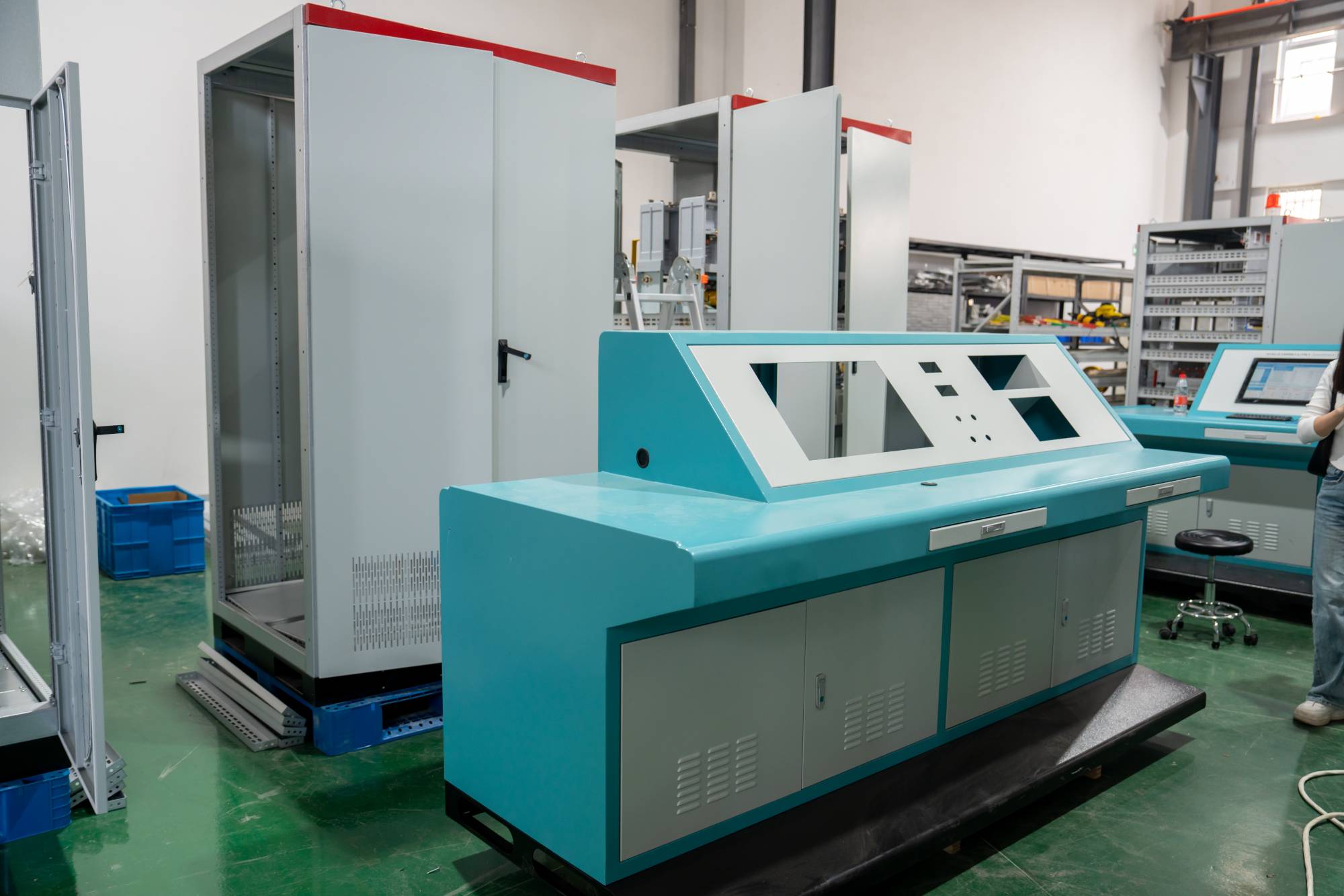
2、 When should I choose automatic testing equipment?
If a company needs to conduct a large number of repetitive tests or has high requirements for testing efficiency and data management, automatic testing equipment is usually more suitable.
For example, in transformer manufacturing enterprises, variable ratio testing, DC resistance testing, and other factory inspection items may need to be repeated. The use of automatic testing equipment can reduce manual operation steps, minimize operational differences between different operators, and improve batch testing efficiency.
Automatic testing equipment also has certain advantages in substations and power maintenance sites. For example, equipment such as fully automatic transformer ratio testers, transformer comprehensive testers, and automatic dielectric loss testers can complete measurements according to the set testing program, reducing manual calculations and data organization work.
Automatic testing equipment is mainly suitable for the following situations:
There are many testing items that require continuous completion of multiple tests.
The daily testing task volume is large, and it is necessary to improve work efficiency.
There are requirements for the storage, analysis, and reporting management of test data.
I hope to reduce the errors caused by manual operations.
Different operators need to carry out testing according to a unified process.
3、 When should I choose manual testing equipment?
For situations where the testing items are relatively simple, the frequency of use is not high, or flexible adjustment of testing parameters is required, manual testing equipment also has practical value.
Manual equipment usually has a relatively simple operating structure, some models have lower procurement costs, and maintenance and usage methods are also relatively intuitive. Operators can flexibly adjust testing parameters according to the on-site situation, suitable for some special testing tasks.
For example, in some high-voltage tests, operators may need to adjust the boost speed, output voltage, and test time according to the actual situation of the test object. For pressure testing or regulating equipment with manual adjustment function, operators can more flexibly control the testing process.
Manual testing equipment is mainly suitable for the following situations:
The testing items are relatively simple and the detection frequency is not high.
The on-site testing conditions are special and require flexible adjustment of parameters.
The procurement budget is limited, and we hope to control the initial investment.
The operators have corresponding professional knowledge and practical experience.
No need for complex data analysis and automatic reporting functions.
4、 What factors should be considered when choosing automatic or manual testing equipment?
In the actual procurement process, it is not enough to only focus on whether the equipment has automatic testing capabilities, but also to make judgments based on specific usage environments and testing requirements.
1. Testing efficiency
If a large number of repetitive tests need to be completed, automatic testing equipment can usually save time and reduce manual operations. For occasional routine inspections, manual equipment may also meet the job requirements.
2. Measurement accuracy and stability
Automation does not necessarily mean higher measurement accuracy. When selecting equipment, special attention should be paid to measurement range, accuracy, resolution, repeatability, and compliance with relevant testing standards.
3. Difficulty of operation
Although automatic equipment can reduce some manual operations, it still requires correct wiring, parameter settings, and judgment of abnormal situations. Manual devices rely more on the experience of operators. When purchasing, the technical level of the actual users should be considered.
4. Data management function
For enterprises that need to save historical test records, generate test reports, and compare data, automatic testing equipment with data storage, export, and report generation functions is more convenient.
5. Procurement and maintenance costs
Automatic testing equipment usually has more control and data processing functions, and the procurement cost may be relatively high. Manual devices have cost advantages in some applications, but long-term labor and maintenance costs also need to be considered.
6. After sales service and technical support
Power testing equipment typically involves technologies such as high voltage, current, and precision measurement. Whether choosing automatic or manual equipment, attention should be paid to the manufacturer's technical support, operation training, calibration services, maintenance capabilities, and spare parts supply.
5、 Automatic testing equipment and manual testing equipment can be used in combination
In actual power testing work, automatic testing equipment and manual testing equipment are not interchangeable. For enterprises with a large number of testing items, automatic testing equipment can be used for daily batch testing, while manual equipment can be used for special testing and auxiliary testing.
For example, transformer manufacturing companies can use automatic ratio testers eDC resistance testers to improve the efficiency of routine testing, while also equipping manual adjustment equipment suitable for special testing needs. Power maintenance units can choose transformer testers, transformer testers, and high-voltage withstand voltage testing equipment with different degrees of automation based on on-site inspection tasks.
This combination method can balance detection efficiency, operational flexibility, and procurement costs, and is also beneficial for meeting the detection requirements of different equipment and testing projects.
6、 Selection of Testing Equipment for Wuhan UHV Power Technology Co., Ltd
Wuhan UHV Power Technology Co., Ltd. focuses on the research and development, production, and sales of power testing and inspection equipment. Its products include transformer testing equipment, high-voltage testing equipment, transformer testing equipment, cable testing equipment, and power preventive testing equipment.
During the equipment selection process, users can choose equipment with automatic testing or manual operation functions based on the type of test sample, testing items, voltage level, measurement accuracy, and on-site usage conditions. For users with multiple detection tasks and the need to improve work efficiency, priority can be given to testing equipment with a higher degree of automation; For users with relatively simple detection requirements and flexible control of the testing process, suitable manual testing equipment can be selected.
Choosing appropriate testing equipment should not only consider current testing needs, but also take into account future use, maintenance, and functional expansion. Choosing automatic or manual testing equipment based on practical applications can better meet the requirements of power equipment testing work.