


Product Introduction
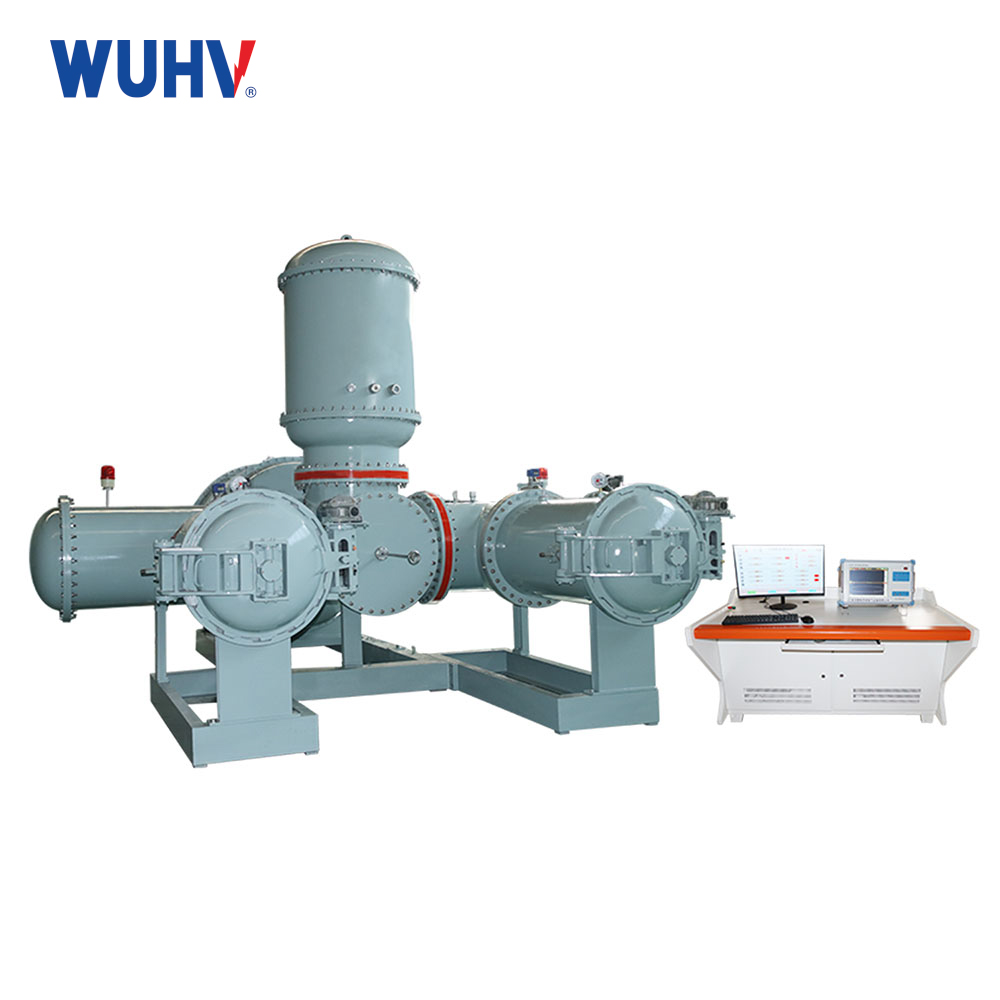
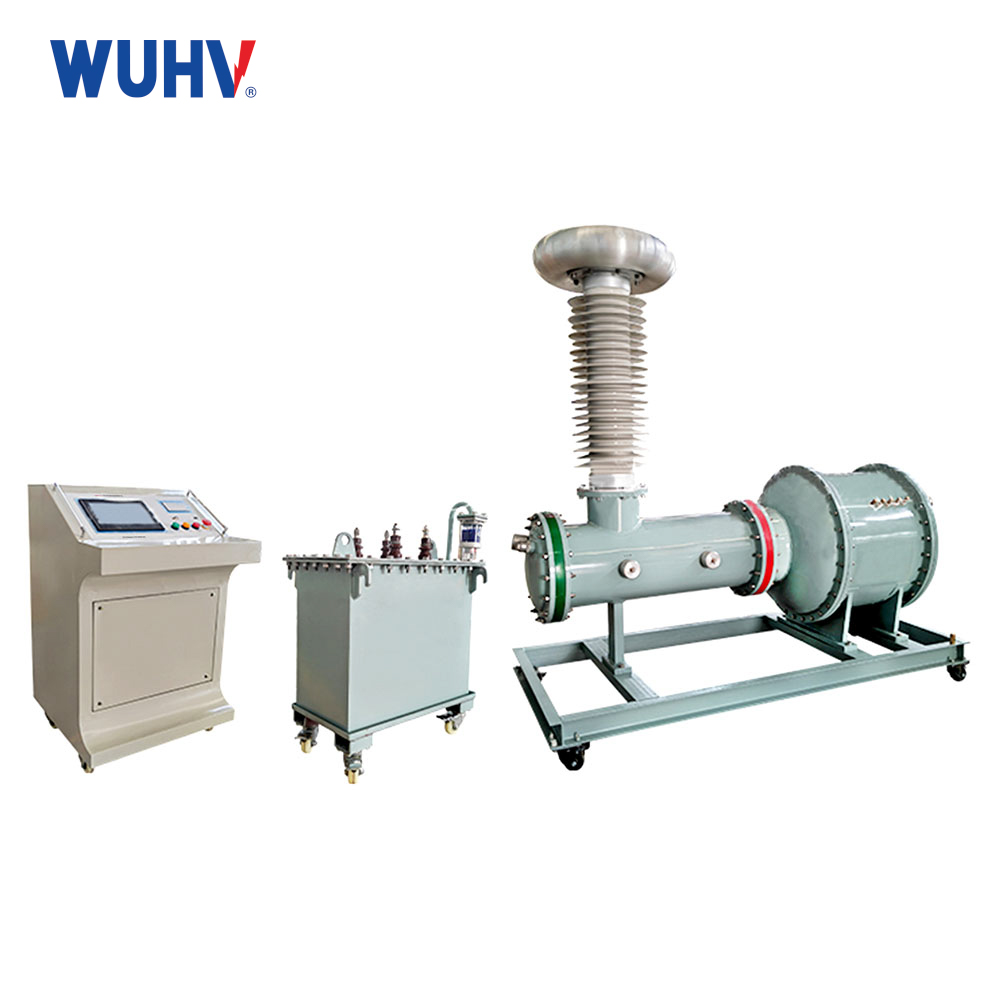
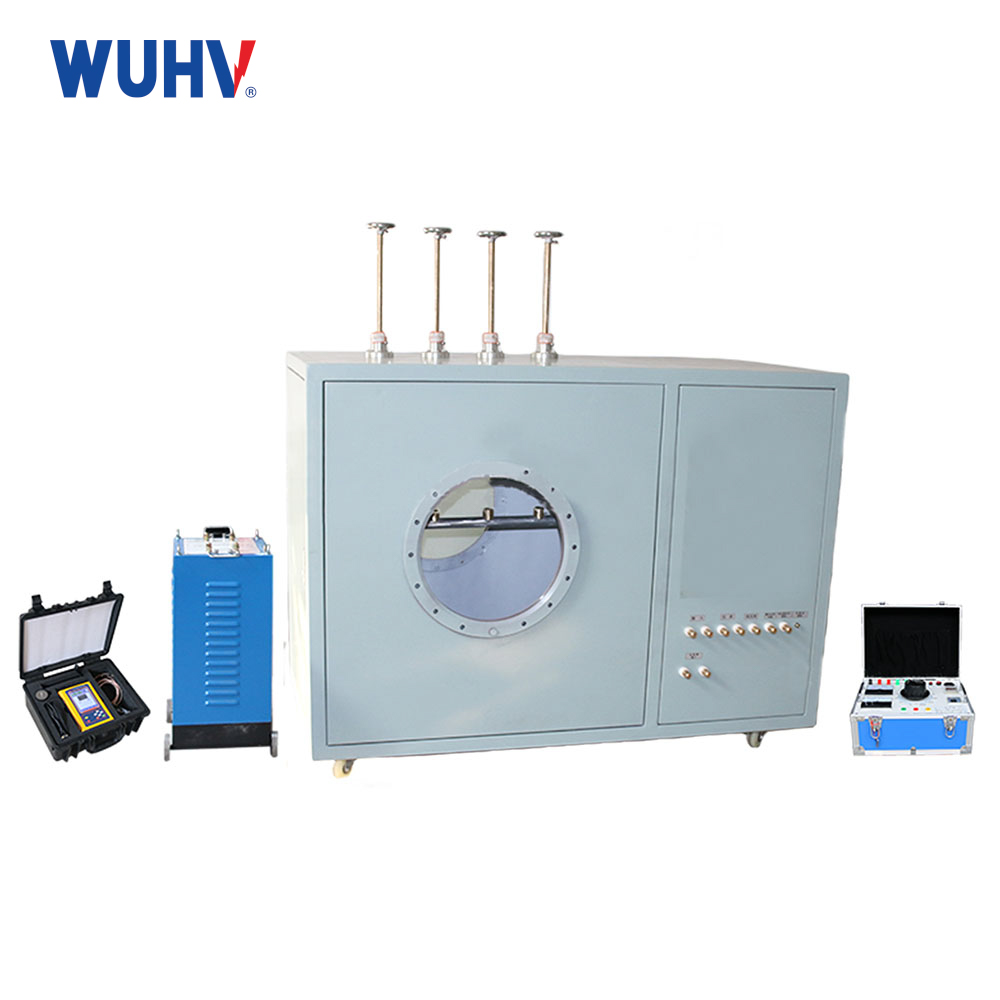
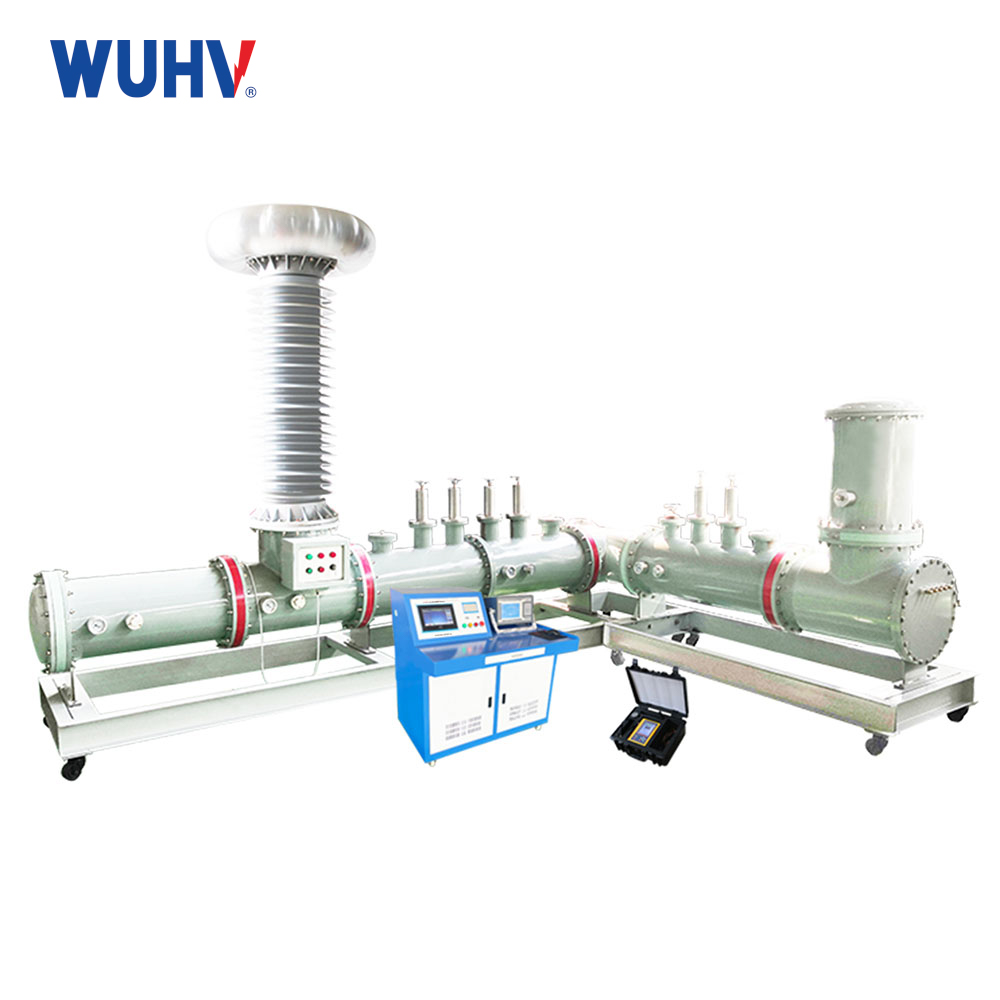
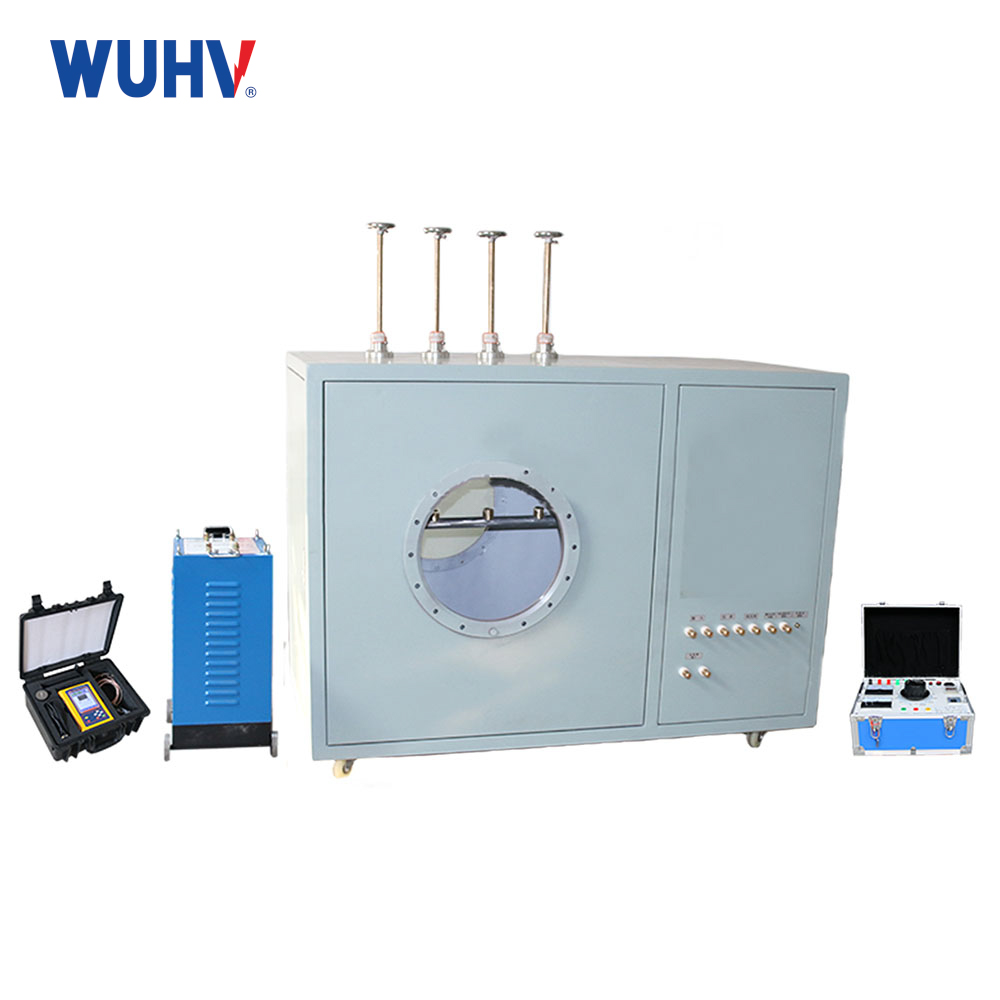
The switchgear no partial discharge simulation test device for switchgear is mainly used to simulate various partial discharge faults inside the switchgear for research and testing purposes
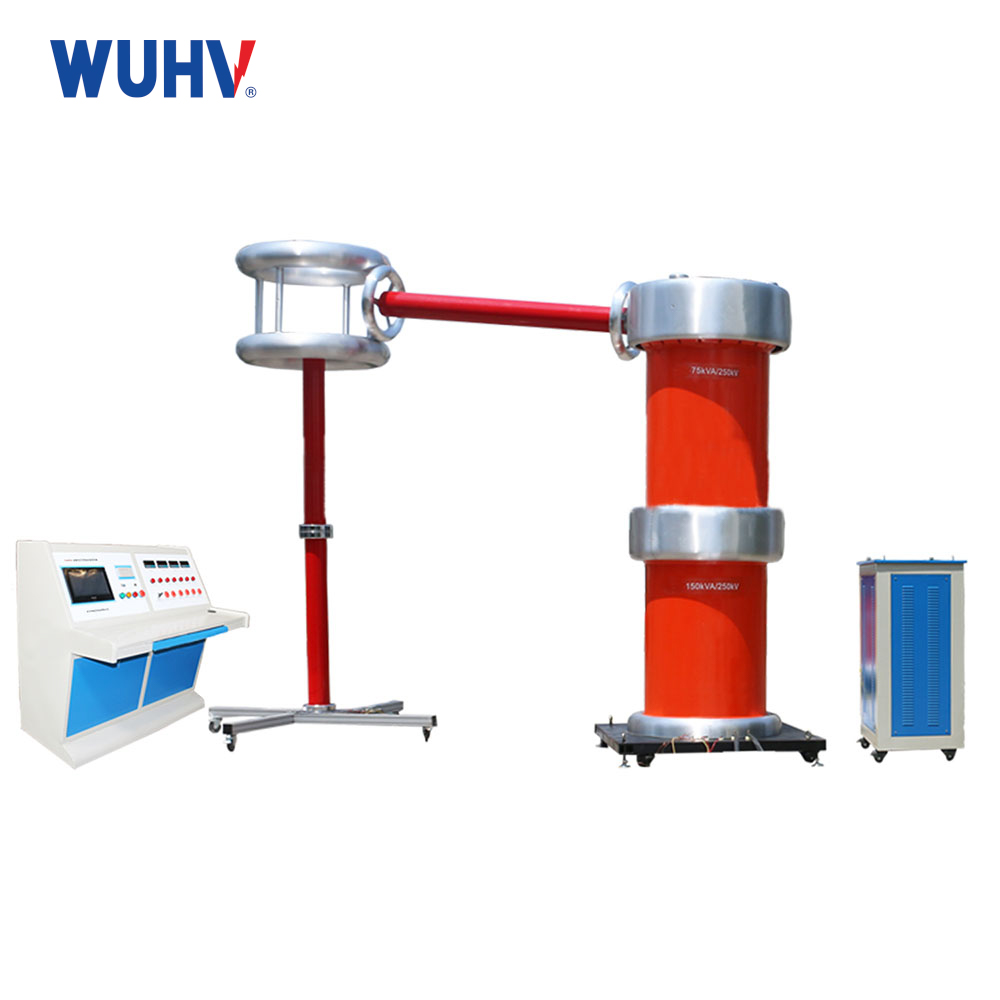
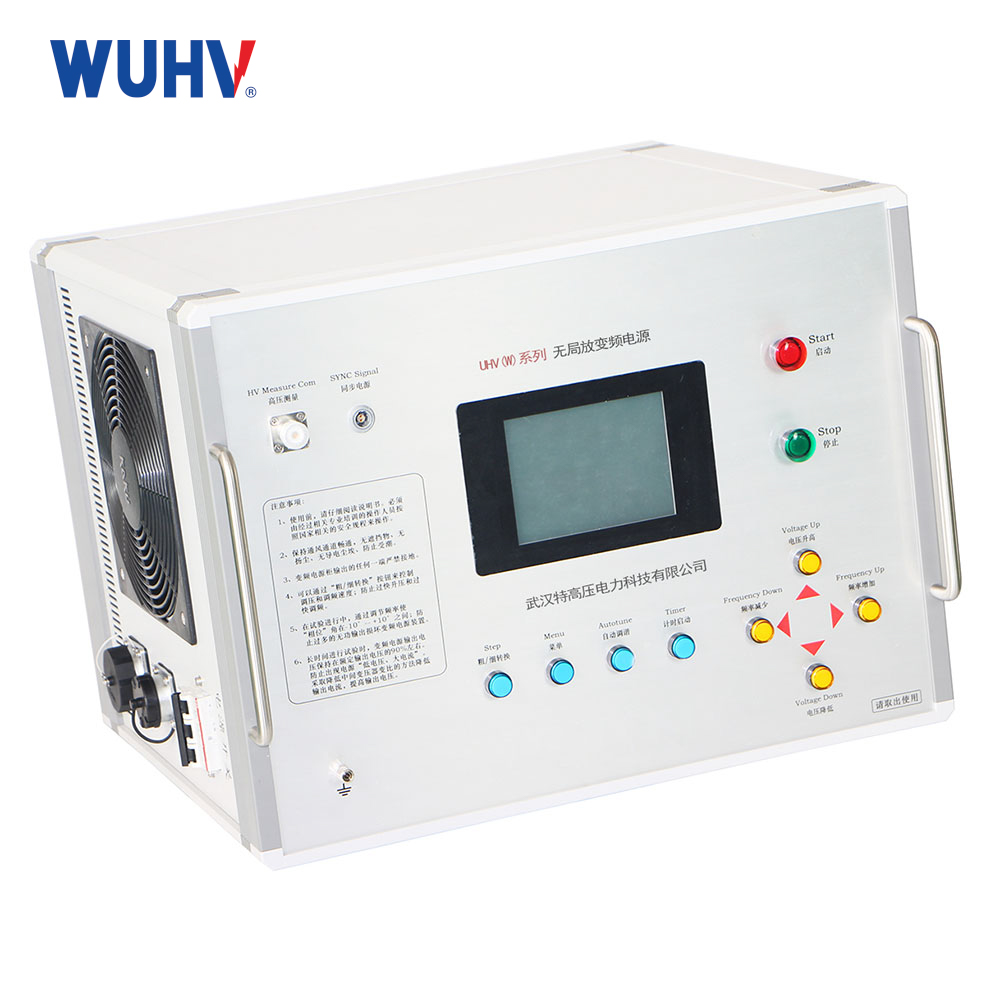
The switchgear no partial discharge simulation test device manufactures is a device used to simulate the phenomenon of partial discharge inside the switchgear. By simulating different types of discharges (such as tip discharge, suspended discharge, air gap discharge, particle discharge, etc.), the insulation performance and reliability of switchgear can be evaluated. The switchgear no partial discharge simulation test device usually includes components such as a high-voltage transformer, coupling capacitor, discharge model, control system, etc.
Product parameters
Medição TEV
Parâmetros | Value |
Tensão nominal | 30kV |
Rated capacitance | ≤100pF |
Capacidade nominal | 3kVA~20kVA |
Test frequency | 30Hz~300Hz |
Tensão de entrada | 0~220V |
Instrument voltage | 0~100V |
Partial discharge level | ≤1PC |
Power frequency withstand voltage level | 30kV/1min |
Simulated discharge type | Tip discharge, particle discharge, surface discharge, air gap discharge, suspension discharge |
características do produto
1. Good authenticity: Designed according to the physical switchgear, it realistically simulates various partial discharge faults inside the switchgear.
2. Fault simulation: switchgear no partial discharge simulation test device factory can simulate discharge types such as switch cabinet tips, suspensions, air gaps, particles, and along surfaces, and multiple discharges can be generated in combination.
3. Controllable discharge: The type of discharge can be freely selected, and the starting voltage, extinguishing voltage, and discharge intensity of each discharge signal can be controlled.
4. Diversified detection: switchgear no partial discharge simulation test device supplier can provide a testing platform for technology detection such as pulse current, ultra-high frequency, ultrasonic, transient ground voltage, etc.
5. Measurement transmission: Built in pulse current method related coupling and verification units can synchronously detect the partial discharge level of experimental devices as the basis for instrument assessment.
6. Good stability: Each discharge module can be reused, and the discharge characteristics are stable.
7. Visualization: Built in infrared video probe, convenient for observing internal status and capturing discharge videos.
8. Easy to operate: The occurrence and disappearance of various faults can be directly controlled outside the device.
9. Safe and reliable: The boosting equipment is built-in, with high voltage isolated from the outside world, ensuring safe and reliable operation.
Partial discharge detection equipment R&D: Used for R&D and performance verification of partial discharge detection equipment such as TEV, UHF, ultrasonic, and pulse current devices.
Switchgear product testing: Used for testing and verification of switchgear insulation performance, partial discharge level, and product quality.
Partial discharge fault simulation: Simulates typical insulation defects such as corona discharge, particle discharge, floating discharge, air gap discharge, and surface discharge.
Detection instrument performance evaluation: Provides a controllable, repeatable, and standardized testing environment for different types of partial discharge detection instruments.
Power operation and maintenance personnel training: Used by substations and power enterprises for training on switchgear partial discharge detection, fault identification, and diagnosis.
University research and teaching: Used for experimental teaching and research in high-voltage technology, insulation technology, partial discharge detection, and electrical equipment condition monitoring.
Partial discharge fault diagnosis research: Used to study the partial discharge characteristics of different insulation defects, providing experimental data for fault identification and condition assessment.
FAQs
Q: What is this device mainly used for?
A: It is mainly used to simulate different types of partial discharge defects inside switchgear, providing a testing platform for partial discharge detection, equipment R&D, performance verification, scientific research and teaching, and personnel training.
Q: What types of partial discharge can it simulate?
A: It can simulate typical partial discharge defects such as corona discharge, particle discharge, floating discharge, air gap discharge, and surface discharge.
Q: Can it be used for AI partial discharge recognition research?
A: Yes. By simulating different types of discharge defects and collecting corresponding signals, it can be used to build partial discharge datasets, supporting AI recognition and fault diagnosis algorithm research.
Q: Can it be used for partial discharge fault diagnosis research?
A: Yes. By simulating different types of insulation defects, corresponding partial discharge signals can be collected, providing experimental data for fault identification, pattern analysis, and diagnostic
Precautions
For the safety of you and the device, please carefully read the following content:
1. The casing must be reliably grounded during the experiment.
2. During the experiment, unrelated items are not allowed to be stacked on or around the equipment panel.
3. Please check the power supply voltage before starting up: AC 220V ± 10% 50Hz.
4. When replacing the fuse and accessories, please use the same model as this instrument.
5. This instrument should be moisture-proof and oil proof.
6. Please confirm that the tested equipment has been powered off and disconnected from other live devices during the experiment.
7. Before starting up, please check if the output knob is in the zero position.