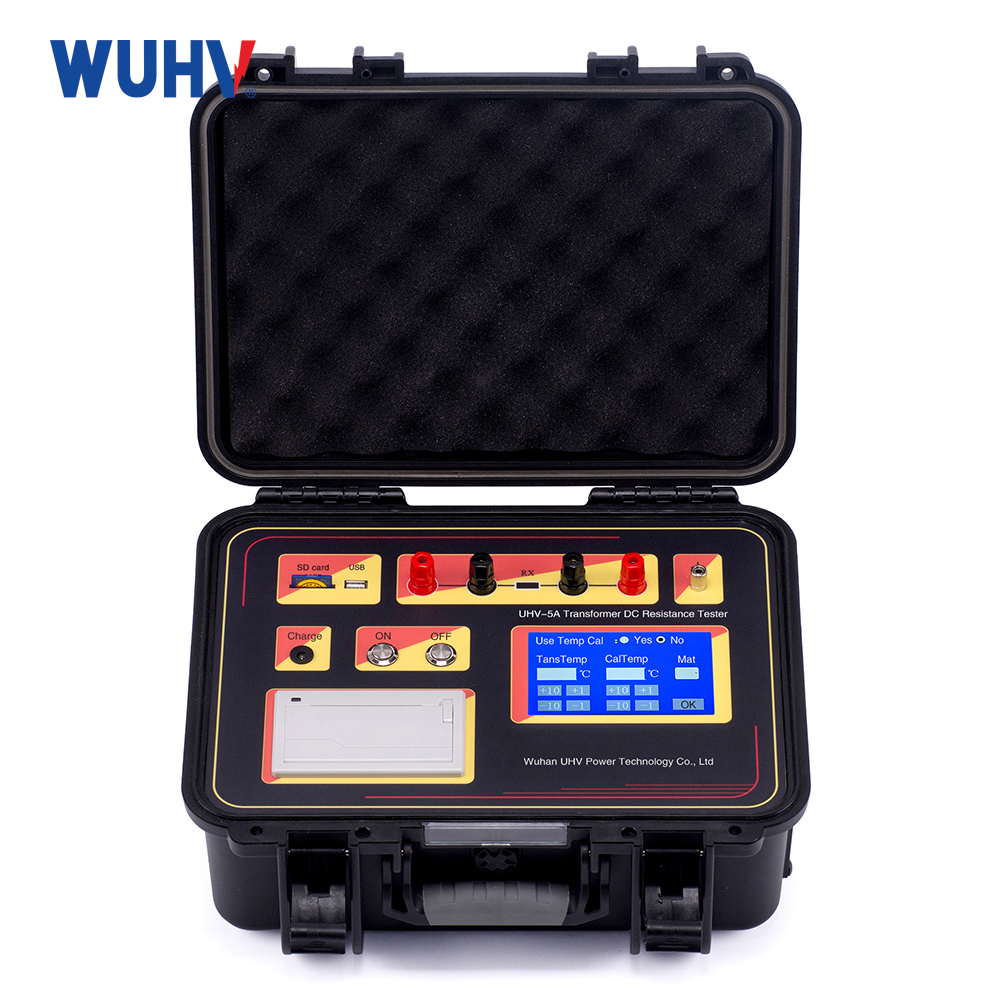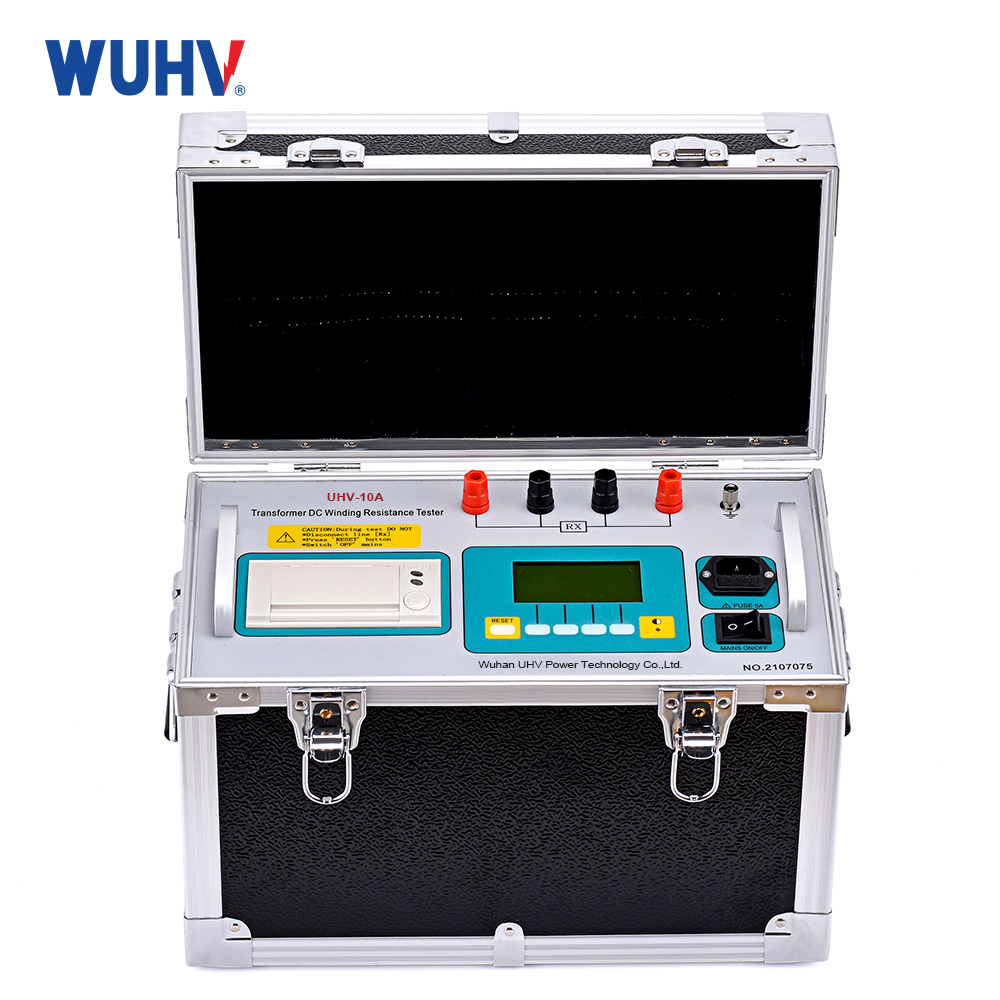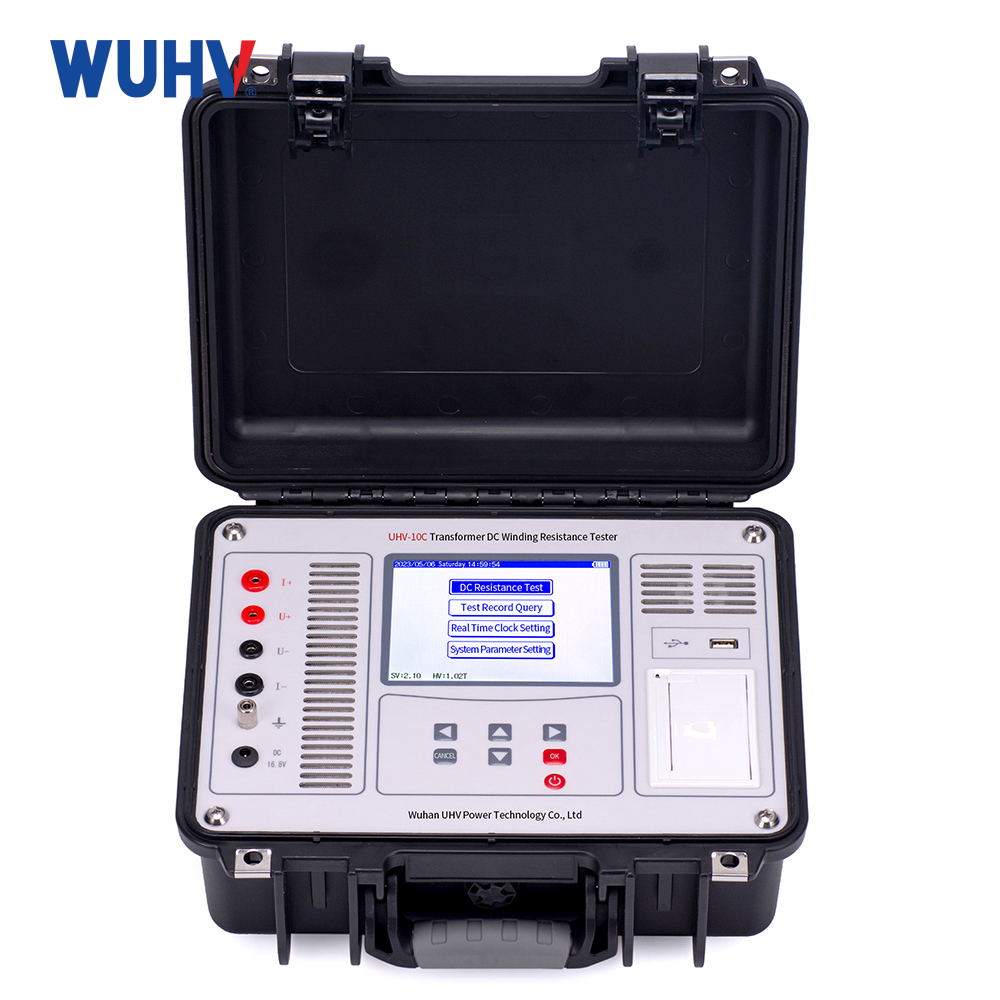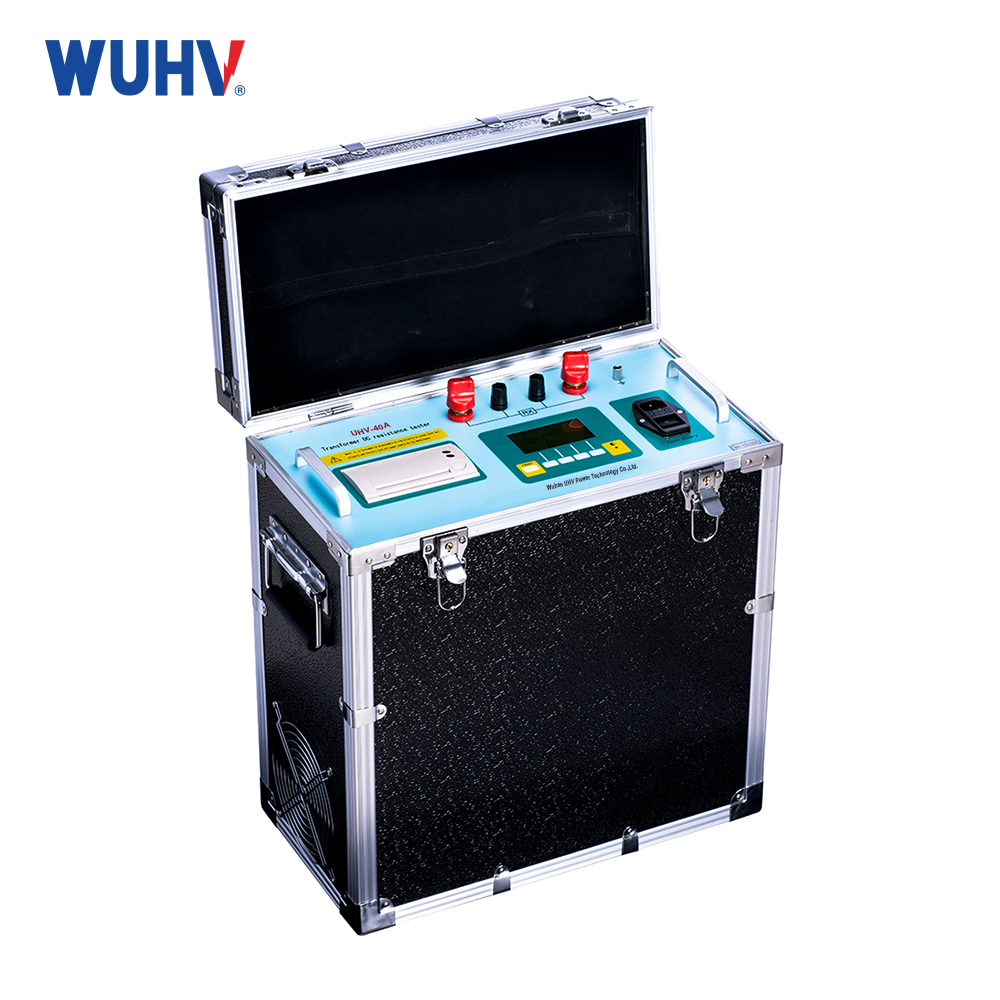


Product Introduction
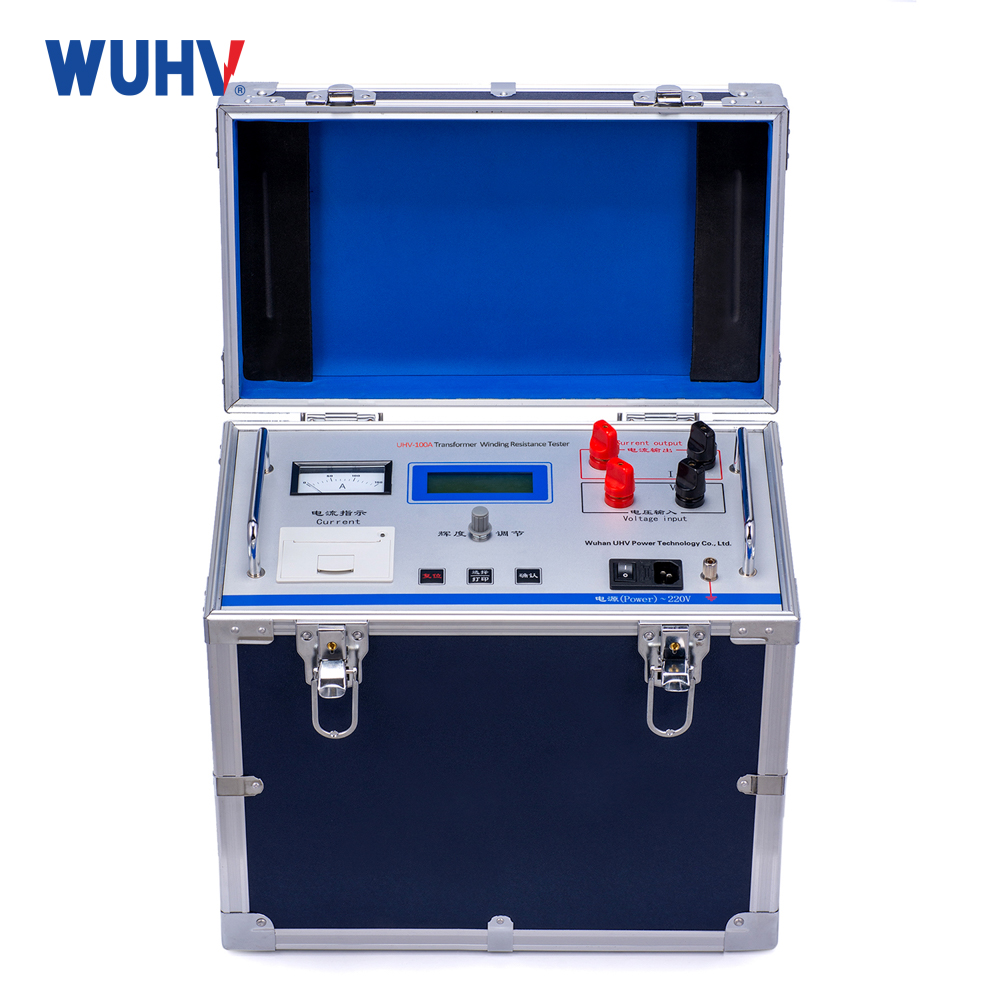
DC resistance measurement of transformer winding is an essential test project during transformer delivery, repair and changing tapping switch. Usually, it is a time consuming task to use traditional methods (bridge method and voltage drop
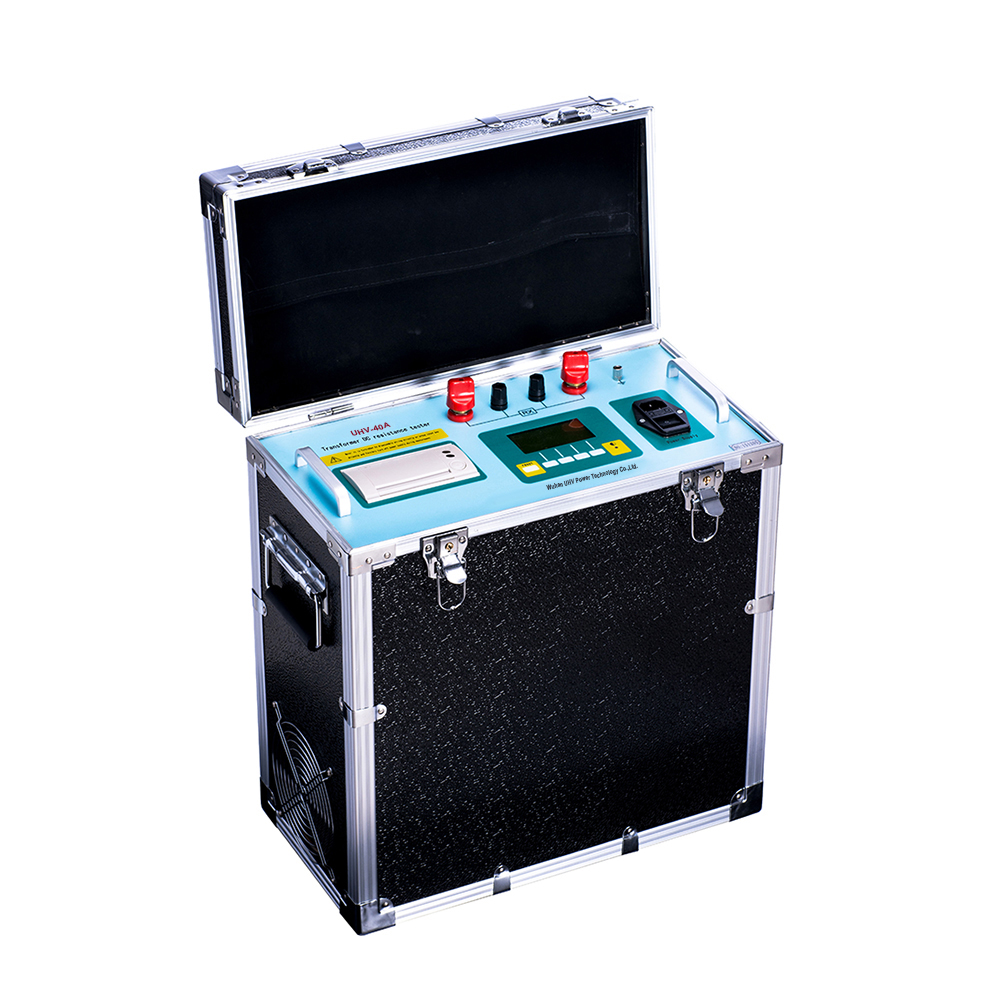
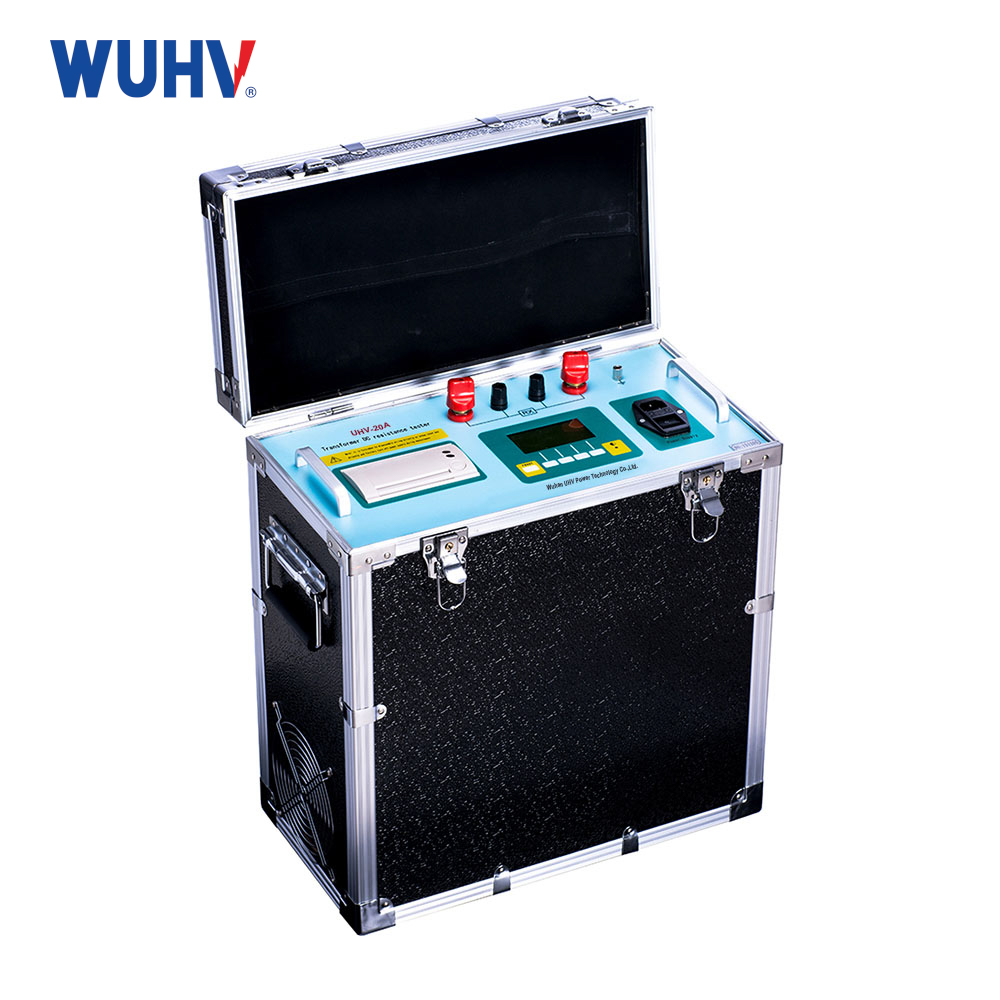
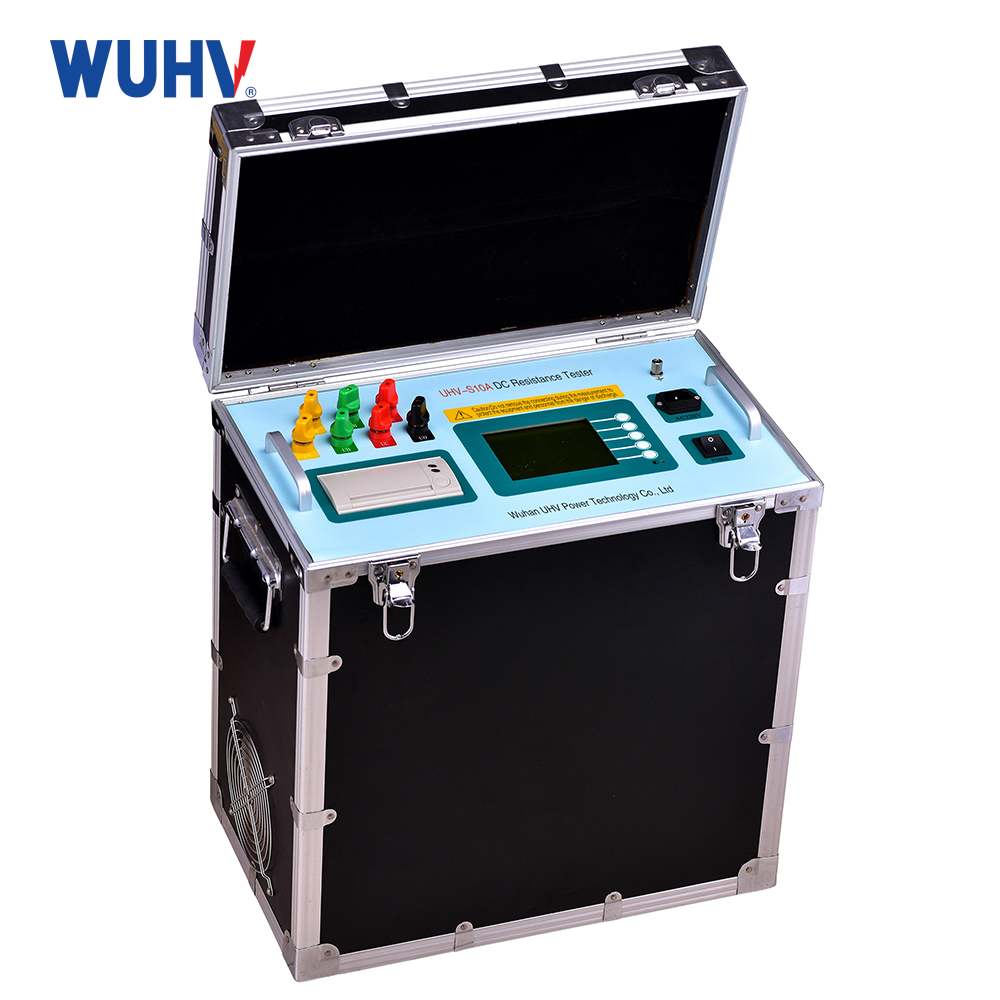
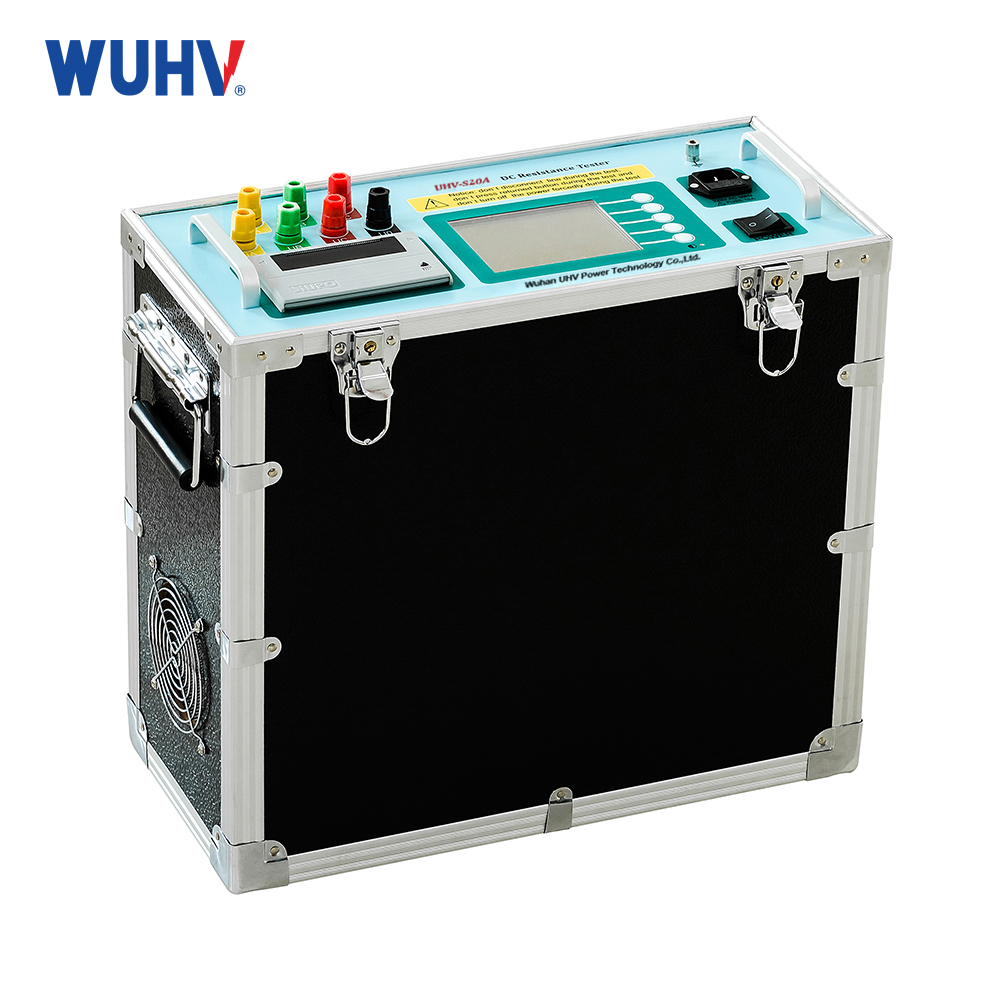
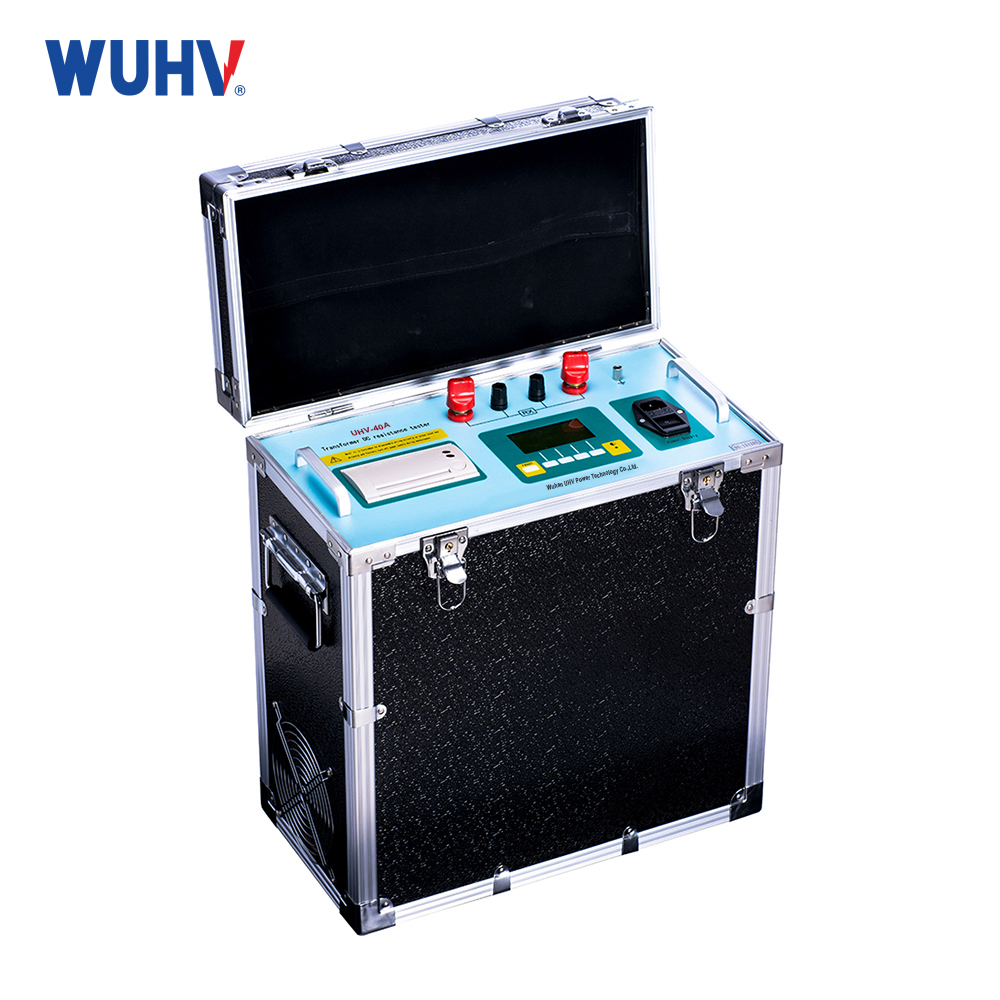
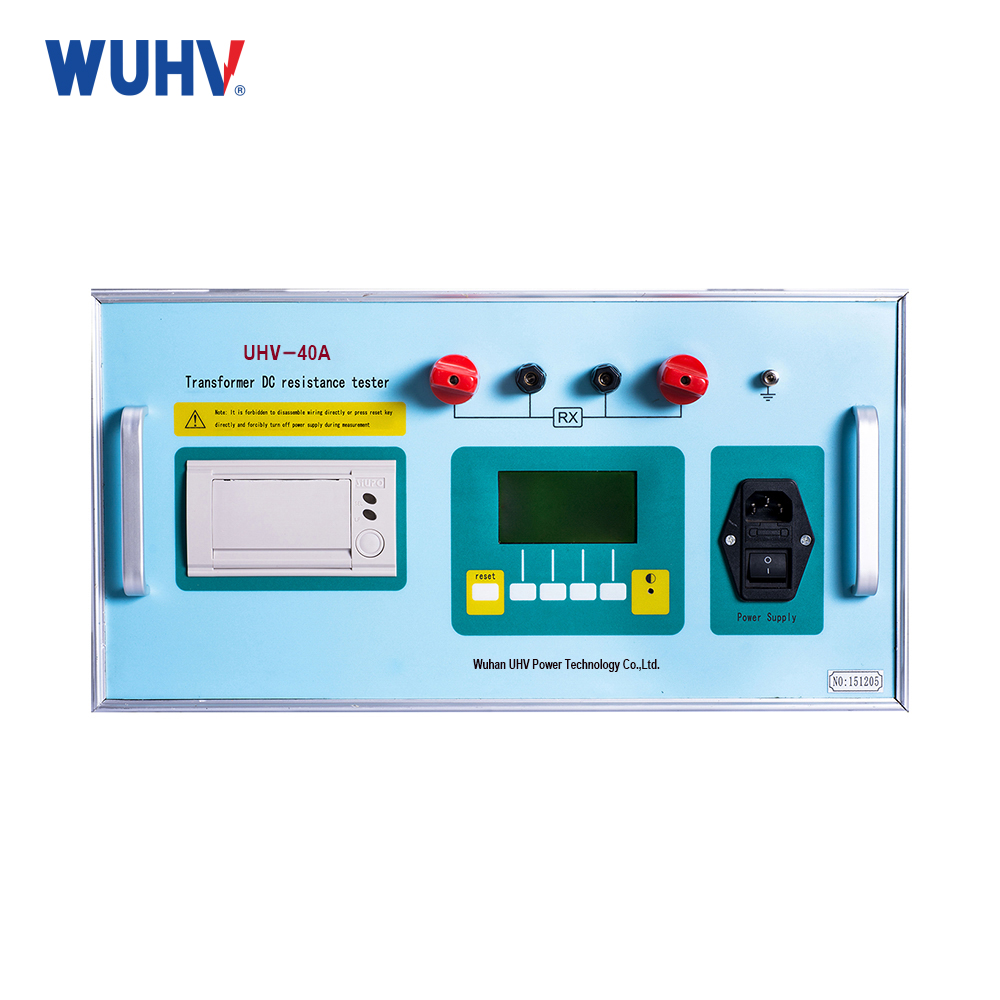
method) to measure transformer winding and dc resistance of high-power inductive device. In order to change this situation: shorten measurement time and reduce the staff’s workflow, our company has developed DC resistance rapid tester. The transformer dc winding resistance tester manufactures using new power technology, with characteristics such as stable performance, rapid test, small size, light weight, easy operation, high measure precision and good data reproducibility, is the ideal equipment to measure transformer winding and DC resistance of high-power inductive device.
Product functions
The transformer dc winding resistance tester supplier is a specialized testing device used for measuring the DC resistance of transformer windings, enabling rapid and accurate assessment of the operating condition of windings and conductive circuits. Modern testers integrate multiple functions including high-precision measurement, automatic control, data management, and safety protection, and are widely used in scenarios such as transformer manufacturing, installation acceptance, operation and maintenance, and fault diagnosis.
Parâmetros técnicos
| Corrente de teste | 2.5A 5A 10A 20A 40A |
| Faixa | 2.5A:10mΩ~8Ω |
| 5A:1mΩ~4Ω | |
| 10A:1mΩ~2Ω | |
| 20A:1mΩ~1Ω | |
| 40A:1mΩ~500mΩ | |
| Precisão de medição | ± (0.2% full scale ±2 words) |
| Armazenamento de dados | 255 |
| Mostrar | LCD, resistance display is 4 1/2 bits |
| Maximum resolution | 0,1mΩ |
| Poder | AC 220V±22V, 50Hz± 2Hz, safety tube 10A |
| Maximum power consumption | 1200W, when the test current is 40A |
| Ambiente de trabalho | Ambient temperature:0° to 40° |
| Relative humidity:≤80% | |
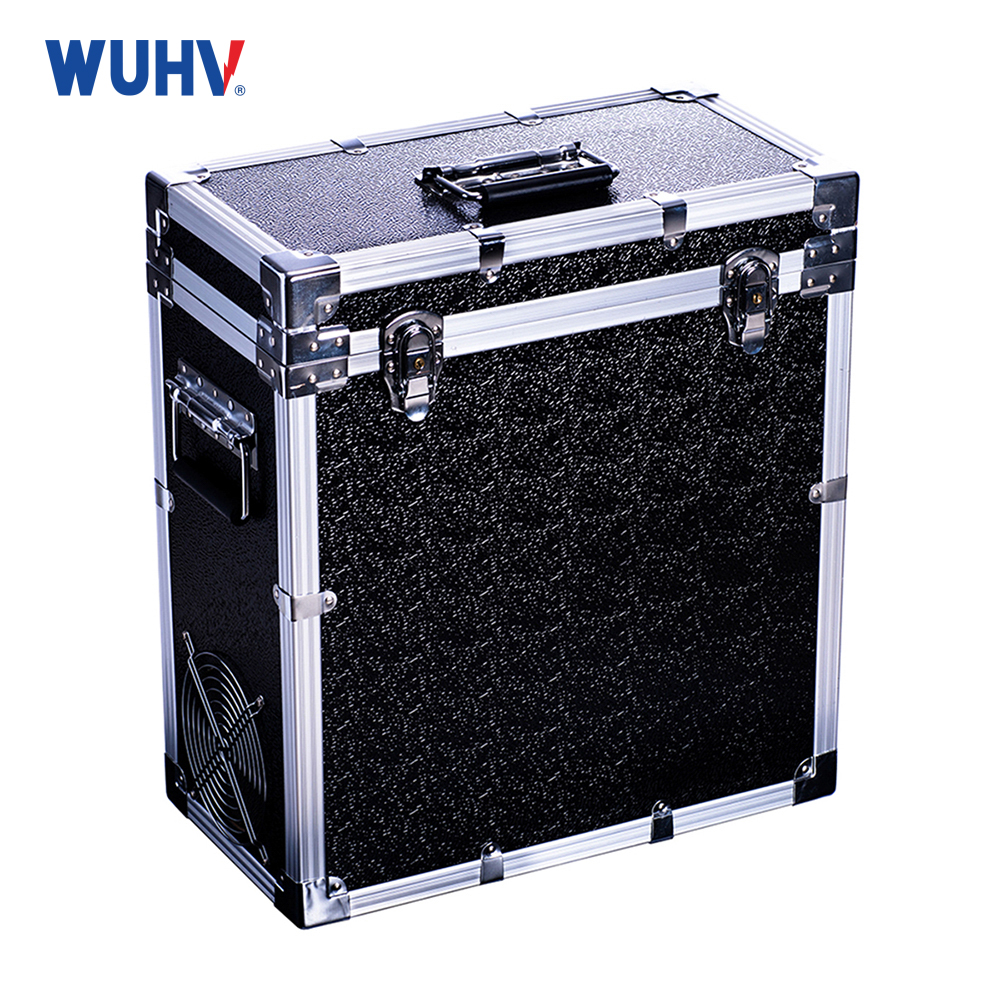
| Volume | 440╳230╳490(mm) |
| Peso | 20kg without accessories |
características do produto
1. Compact in size and lightweight.
2. Full English menu operation, easy and convenient to operate.
3. Fast measurement speed, accurate and stable data.
4. Equipped with automatic discharge and discharge indication functions, reducing misoperation and ensuring equipment and personnel safety.
Application Scenarios
1. Power transformer factory quality inspection — After transformer production is completed, measure the DC resistance of the high-voltage and low-voltage windings to verify winding connections, soldering quality, and tap changer contact condition, ensuring the transformer dc winding resistance tester meets factory technical requirements.
2. Transformer installation and acceptance testing — In newly built or expanded substations, perform winding DC resistance testing after transformer installation is completed to confirm that no winding deformation, lead loosening, or contact abnormalities occurred during transportation and installation.
3. Preventive maintenance of in-service transformers — Perform regular DC resistance testing on in-service power transformers. By comparing results with historical data, promptly identify potential defects such as winding connection aging and increased contact resistance.
4. Tap changer maintenance and condition verification — After repair, replacement, or adjustment of on-load or off-load tap changers, test the winding resistance at each tap position to check contact condition and ensure stable and reliable switching performance.
5. Large power transformer overhaul acceptance — Applicable for performance testing after transformer overhaul, winding replacement, or lead repair, verifying repair quality and ensuring the transformer dc winding resistance tester manufactures is returned to normal operating condition before commissioning.
6. Distribution transformer inspection and maintenance — Used for routine inspection and condition assessment of various distribution transformers in distribution networks, quickly detecting changes in winding resistance, improving equipment operational reliability, and reducing the risk of outage due to faults.
FAQ about Transformer DC Winding Resistance Tester
How to select the appropriate test current level?
The selection of test current should be determined based on the transformer capacity under test, the winding resistance range, and on-site testing requirements. Larger power transformers typically require higher test currents to shorten winding magnetization time and improve testing efficiency. For small-capacity distribution transformers, a lower test current can be used. Proper selection of the test current balances test speed, measurement accuracy, and equipment safety.
In which cases is transformer DC winding resistance testing required?
This test is widely used in transformer manufacturing, installation acceptance, preventive testing, overhaul inspection, and fault diagnosis. For example, it is used before commissioning new transformers to check manufacturing and installation quality; during routine maintenance of in-service equipment to detect winding connection anomalies, tap changer faults, or changes in contact resistance; and after repairs to verify the effectiveness of maintenance work.
How can it be determined whether the transformer winding resistance test results are normal?
The test results typically need to be evaluated in combination with manufacturer data, historical test records, and parameters from similar equipment. If there is a significant deviation in single-phase resistance, abnormal variation between different tap positions, or a continued upward trend over time, it may indicate abnormalities in the winding connections, tap changer, or internal conductive circuit, requiring further inspection and analysis.
Precautions
① After measuring the inductive load, the test line cannot be directly removed to avoid endangering the safety of testing personnel and equipment due to inductive discharge. The output terminal of this machine is equipped with a discharge circuit. When the output is turned off, the inductor will release energy through the instrument. The test line can only be removed after the discharge indicator is completed.
② For no-load tap changers, it is not allowed to switch tap changers during the measurement process.
③ If the power suddenly shuts down during the measurement process, this machine will automatically start discharging. Please do not immediately remove the wiring, wait at least 30 seconds before removing the wiring.
④ When measuring, do not short-circuit other untested windings to ground, otherwise it will slow down the transformer magnetization process and prolong the data stability time.
⑤ Please check the power supply voltage before starting up: AC 220V ± 10% 50Hz.
⑥ Please confirm that the tested equipment has been powered off and disconnected from other live devices during the experiment.
⑦ The casing must be reliably grounded during the experiment.
⑧ During the experiment, unrelated items are not allowed to be stacked on or around the equipment panel.
⑨ When replacing the fuse and accessories, please use the same model as this instrument.
⑩ This instrument should be moisture-proof and oil proof.